
As artificial intelligence reshapes the ground rules of Hollywood performance, one of the industry's most recognizable voices is asking who gets to decide when a character outlives the actor behind it.
Tom Hanks told Entertainment Weekly that any future installment in Pixar's long-running animated franchise would need to earn its existence. "If you're gonna do another 'Toy Story,' it better be worthwhile," he said. He went further, saying studios should be "examining some theme that is not just dragging it out because people like the title," adding, "unless it's good, new, fresh, there's no reason to do it at all."
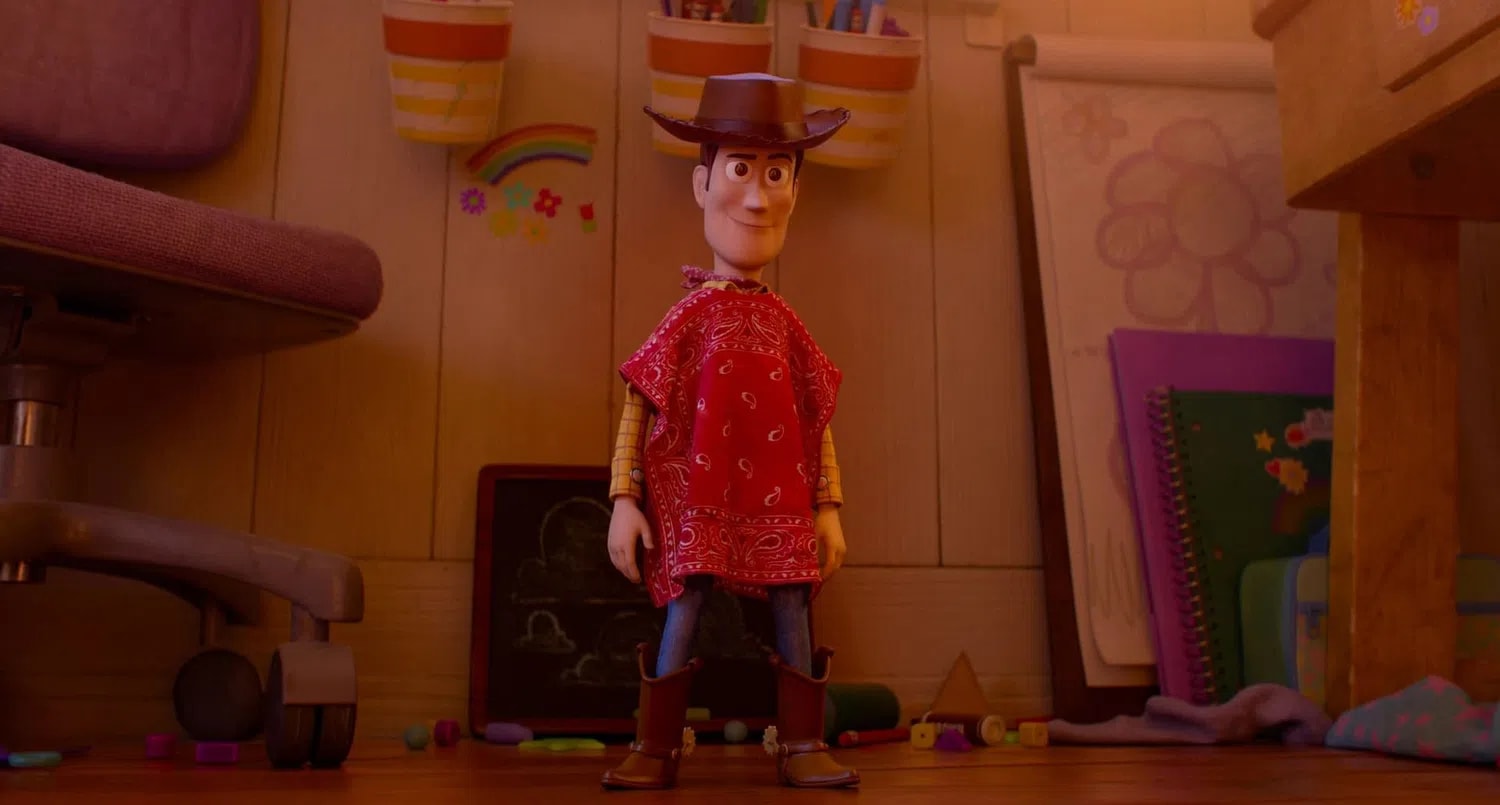
Hanks is back as Woody in Toy Story 5, which set a franchise record with a $312 million worldwide opening. The sequel pulled in $160 million domestically from 4,425 North American theaters. Directed by Pixar veteran Andrew Stanton, the film follows Woody, Buzz Lightyear, and the gang as their owner Bonnie grows attached to a tablet-like device called Lilypad. Reviews have been strong, with a 94% score on Rotten Tomatoes and an "A" CinemaScore.
But even as the fifth chapter thrives, Hanks is clear-eyed about what comes next. He acknowledged that Disney does not technically need his participation to continue the franchise, given that every word he has recorded as Woody over 31 years exists in a digital archive. "Time is undefeated," he said. "The question would be whether or not we could cobble together some version of me. Every word we have ever recorded in time in 'Toy Story' is on digital media somewhere, so they could put together anything they would want."
Tim Allen, who voices Buzz Lightyear, shares those concerns. Both actors agreed the prospect of AI-generated performances is "a scary thought."
None of this is entirely new territory for Hanks. He pointed to Robert Zemeckis' 2004 film The Polar Express as an early warning sign: "The first time we did a movie that had a huge amount of our own data locked in a computer, literally what we looked like, was a movie called 'The Polar Express.' We saw this coming." On The Adam Buxton Podcast in 2023, he went even further, noting that AI and deepfake technology could mean "performances can go on and on and on and on" after an actor's death. "Outside the understanding of AI and deepfake, there'll be nothing to tell you that it's not me and me alone."
Speaking earlier this month to The San Francisco Chronicle, Hanks voiced a different kind of fear: "Here's what I worry about: That there will be something that will be blatantly AI, created, imagined, produced, and the audience won't care that it's AI." That anxiety cuts deeper than the technology itself. It points to a future where audiences no longer demand an authentic human performance at all.
The 2023 SAG-AFTRA strike, resolved after 118 days, produced a contract with historic digital replica terms and AI protections, ratified in December of that year. Under its provisions, studios can no longer create or reuse a digital replica of a performer without explicit, informed consent. Those rules extend to voice actors, covering digital replicas of both voice and likeness. Still, as Hanks himself noted, the challenge is as much legal as it is artistic.
Reports suggest the creative team behind Toy Story 5 generated enough narrative material to fuel at least two more sequels, with future films potentially moving beyond Bonnie to explore different children or the toys' evolving relationships. Pixar has not yet greenlit a sixth installment. According to Deadline, 49% of opening-weekend audiences said they would love to see Toy Story 6.
Whether that happens with or without Hanks in the booth may be the franchise's most consequential question yet.
Check topics and authors from this story to see more stories like this in your personalized feed and receive updates when new work is published.