
In a creative landscape now saturated with generative tools, suspicion has become its own weapon. A disturbing pattern of anti-AI mob behavior across creative platforms has emerged over the past two years, one where human illustrators face coordinated harassment campaigns rooted in unverified claims that their work was machine-made.
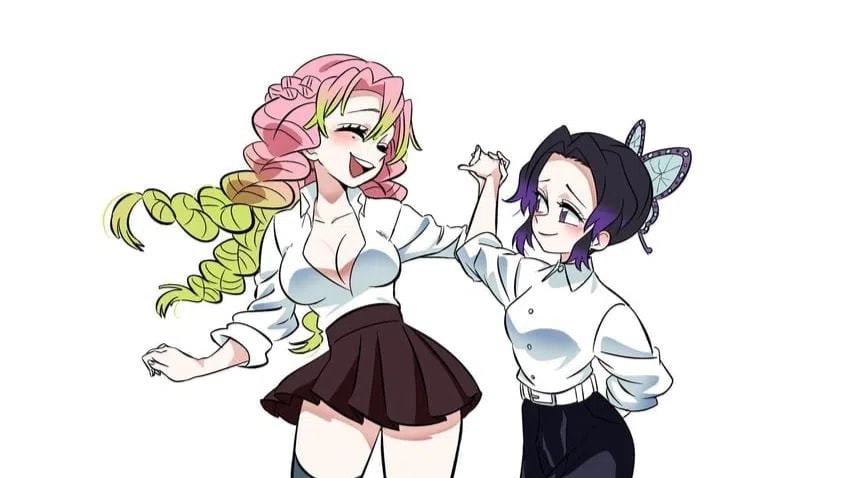
One recent case began when a 23-year-old user posted a "call out" targeting a Japanese fan artist, claiming to spot AI-generated elements. The accuser pointed to "shadow on the knees" and "long on the forearms," critiques that reflected normal artistic choices and minor anatomical variations. That single post exploded across social media, garnering 176,000 likes and 8 million views within days. The artist ultimately deleted their X account after the coordinated harassment.
The accuser later walked it back. In an apology posted partly in Japanese, the user wrote: "I am the biggest idiot I'm so sorry for making such a stupid claim with no basis." By then, the damage was done.
Similar episodes have rippled through other corners of the creative world. At DragonCon, vendor Oriana Gerez was forcibly removed from the convention floor with police present after artists launched a harassment campaign over her alleged AI artwork. Separately, a Reddit user claims to face a lawsuit after falsely accusing an author of using AI.
In China, an illustrator surnamed Xue, known online as "Snow Fish," found himself on the opposite side of this tension. His controversy arose when he claimed his illustrations on Xiaohongshu had been fed to Trik AI, the platform's image generator, without his knowledge. Private messages reviewed by Sixth Tone showed the company apologized and admitted his artwork was used. Boycott posts flooded the platform afterward, with a related hashtag viewed more than 20 million times on Weibo.
Across these incidents, a culture of demanding "proof of humanity" and making false accusations has begun to destroy reputations and income. Digital artists are scaling back experimental techniques because anything that looks too polished gets labeled as AI-generated. The very community built to protect creative work is eating its own.
In April 2026, WIT Studio publicly apologized and replaced an entire opening sequence for Ascendance of a Bookworm Season 4 after fans caught generative AI in the visuals. Real offenders do exist. But so do real artists, and telling them apart with a screenshot and a hunch is proving to be a reckless game with lasting consequences.
If you're interested, watch SamDoesArt's video on the same topic.
Check topics and authors from this story to see more stories like this in your personalized feed and receive updates when new work is published.