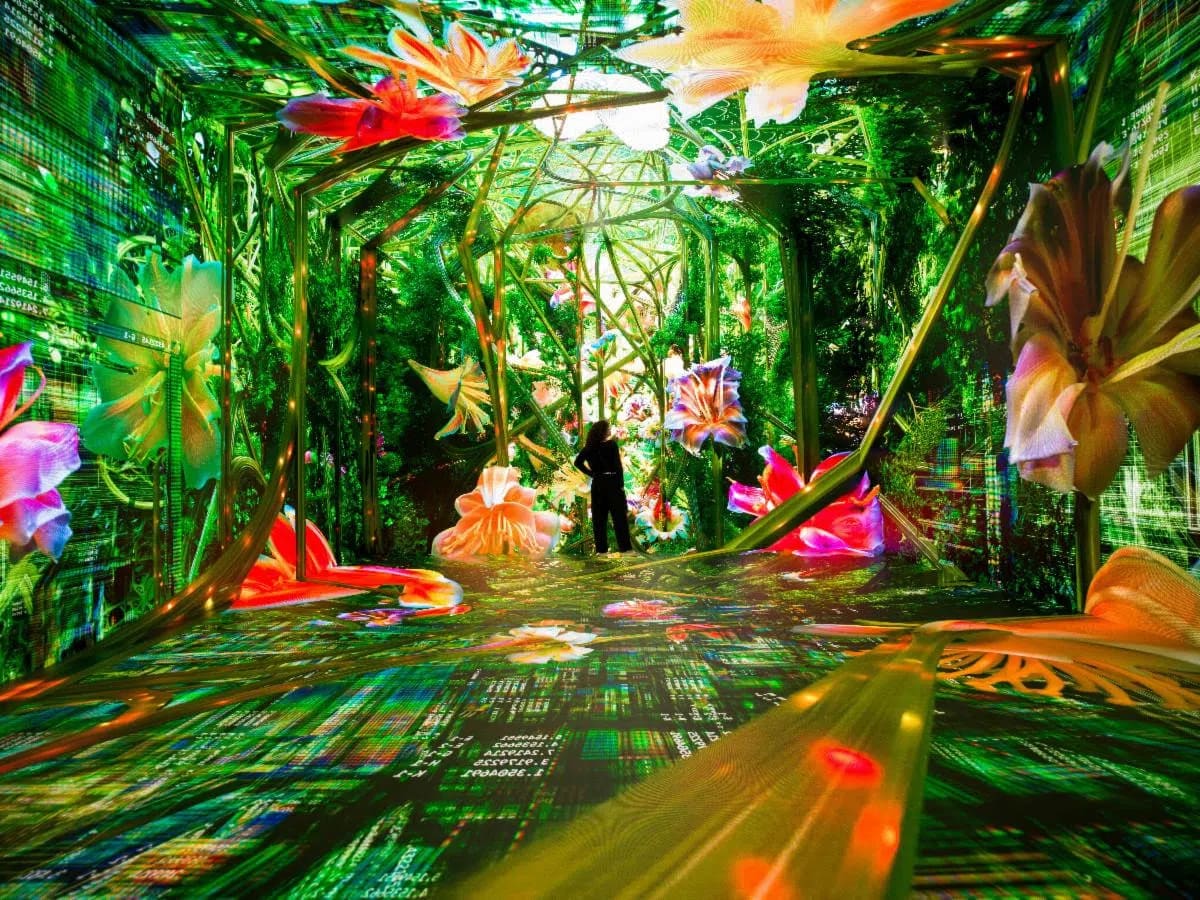
Dataland, billed as the world's first AI art museum, opened on June 20 after more than two and a half years of planning and construction. It lands on Grand Avenue at a moment when Los Angeles is reshaping its cultural identity with unusual speed. The city welcomed the new David Geffen Galleries at the Los Angeles County Museum of Art the same week, with the Lucas Museum of Narrative Art still to come in September.
Refik Anadol's Dataland occupies 25,000 square feet inside the Frank Gehry-designed Grand LA development, situated directly across from the architect's Walt Disney Concert Hall, onto which Anadol projected an early data piece in 2018. The location places Dataland among neighbors including The Broad and MOCA Los Angeles, anchoring it within the Grand Avenue Cultural District.
Born in Istanbul in 1985, Anadol is an internationally recognized media artist and director who teaches at UCLA's Department of Design Media Arts. He arrived in Los Angeles in 2012 to study design media arts at UCLA and co-founded Refik Anadol Studio two years later with his partner Efsun Erkiliç. Anadol is perhaps best known for a major generative AI commission at New York's Museum of Modern Art in 2022, which used machine learning to interpret two centuries of the museum's collection.
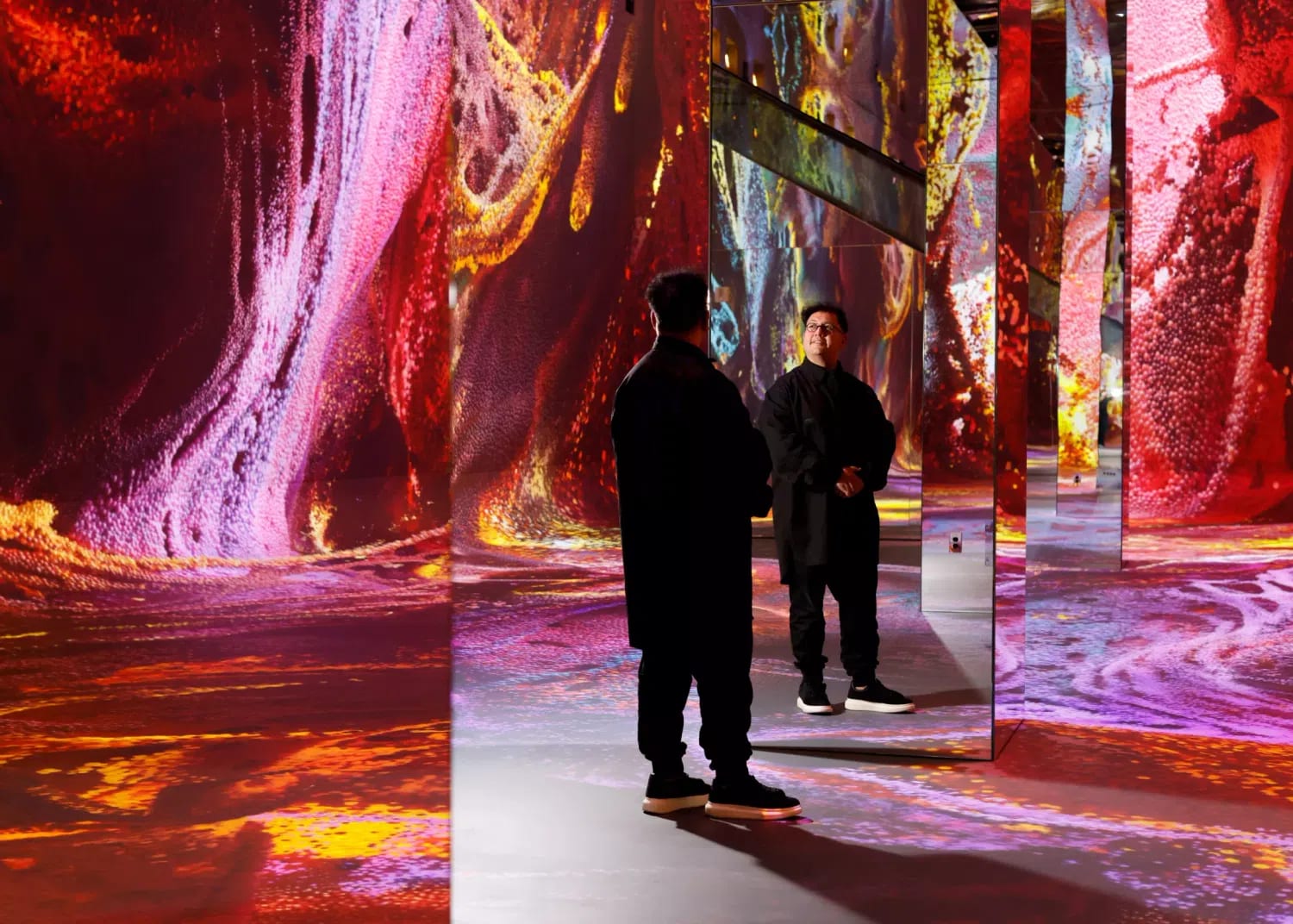
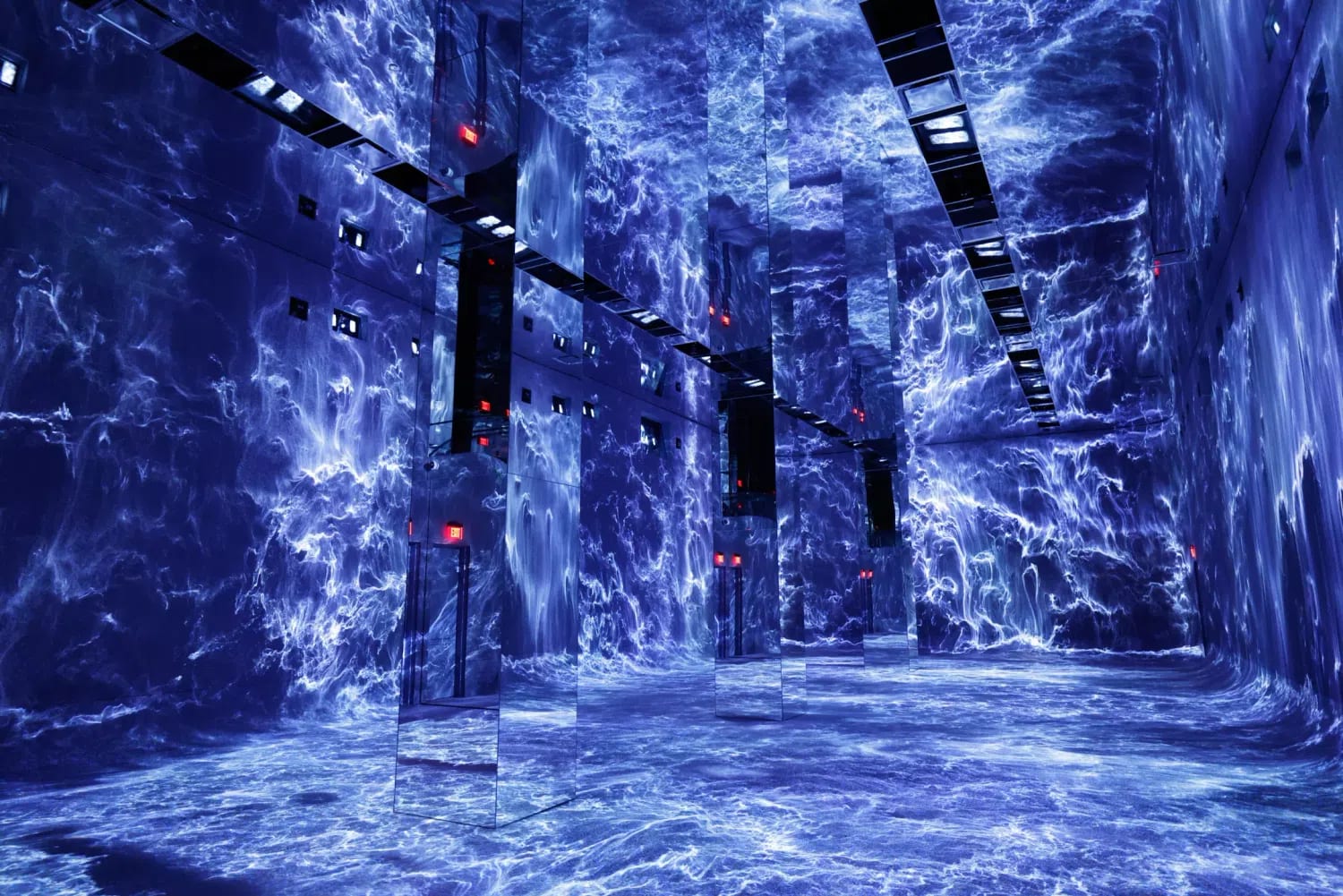
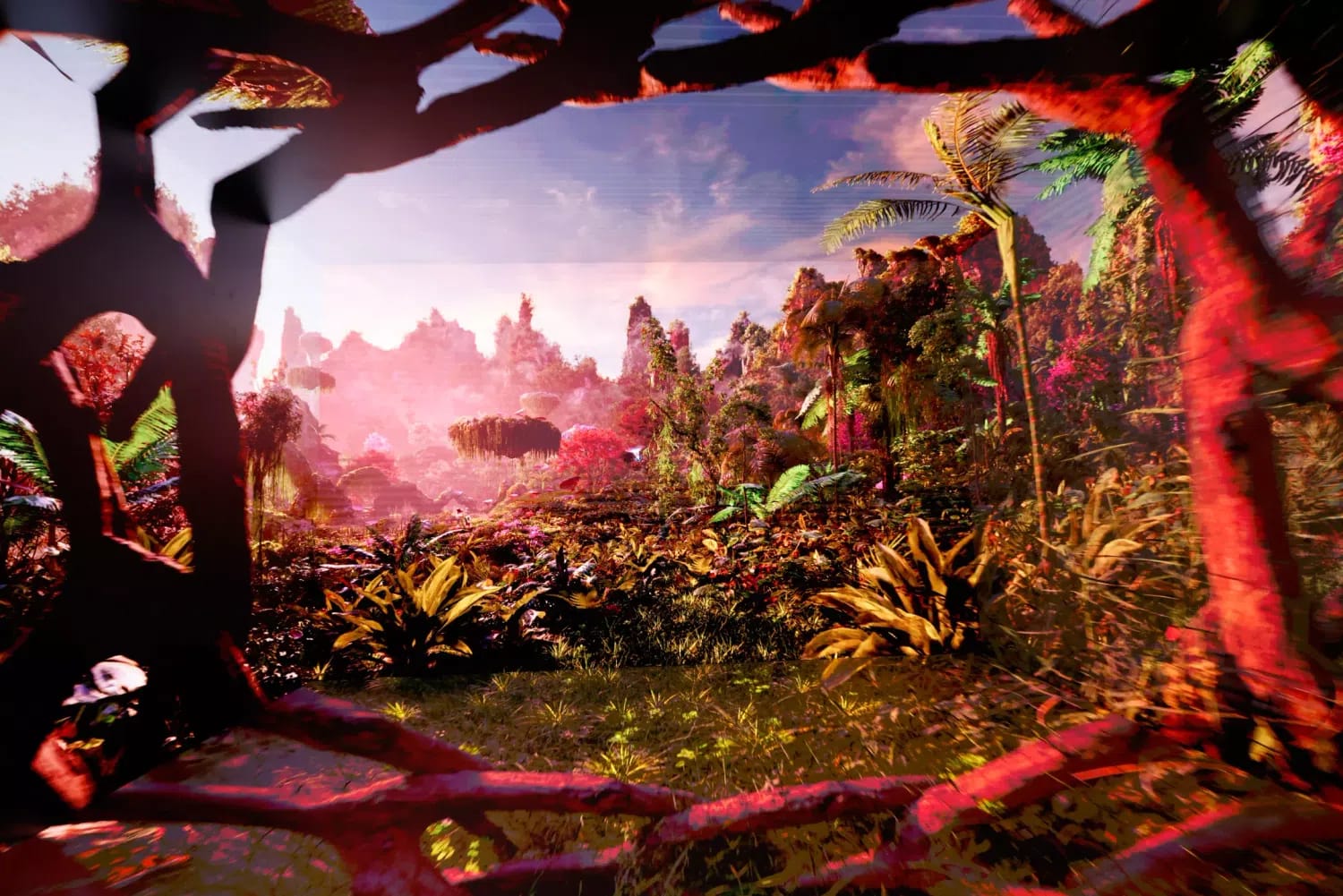
The inaugural exhibition is where the institution's ambitions become concrete. Spread across five galleries, Machine Dreams: Rainforest simulates alternate, possible rainforests by processing vast quantities of ecological data, including birdsongs, plant life, and weather, turned into what Anadol calls "digital sculptures." The underlying Large Nature Model was trained on data collected firsthand from 16 rainforests globally, with additional partnerships from the Smithsonian, the Cornell Lab of Ornithology, Getty, iNaturalist, and London's Natural History Museum.
The physical experience is deliberately multisensory. A wristband tracks visitors' heartbeats and physical reactions, feeding them into the work itself, while a neck ring delivers a rotating combination of twelve scents designed with L'Oreal Luxe and triggered by live biodata. Anadol frames the institution as something between a laboratory and an invitation. "As an artist pioneering this field for ten years, I felt that we should have a kind of responsibility," he says. "This is a laboratory of imagination. We have walls, but no limits in the ideation."
The space is powered by Google Cloud, with a new artist residency supported by Google Arts and Culture running alongside the opening. That six-month residency will provide four artists with $25,000 grants, mentorship from Refik Anadol Studio, and direct access to Google Cloud tools and machine learning models.
Not everyone is persuaded. The museum's arrival comes amid persistent criticism over AI art's relationship to human agency, with artist Thomas Brummett commenting on Instagram: "Let's build a museum based on instructions people give to AI and call it art. It's not, and it never will be. At best, it's just second-rate entertainment." The counter-argument comes from within the field itself. Barry Threw, executive and artistic director of the Gray Area Foundation in San Francisco, told NPR: "At a time when so much of our world is shaped by technology, art can help us make sense of it. Anadol's work, especially with Dataland, raises a question Gray Area often returns to: can digital art allow us to look beyond aesthetics and think more deeply about the systems behind it?"
On the question of data ethics, Anadol has been direct. "The best way to achieve responsible curation is to build our own models and be radically transparent about where our data comes from," he told NPR.
Described as a "living museum" that aims to leverage and present the most advanced technologies, Dataland arrives at a time of increasing anxiety over the potential chaos brought by artificial intelligence. Whether it resolves that anxiety or deepens it may depend on what visitors decide they came for. One outcome observed by critics is that the museum may help "shift the discussion about the value of AI art, which would benefit more artists who use some aspect of AI in their work." That is a modest ambition for a museum billing itself as the first of its kind. It is also, arguably, the most useful one.


