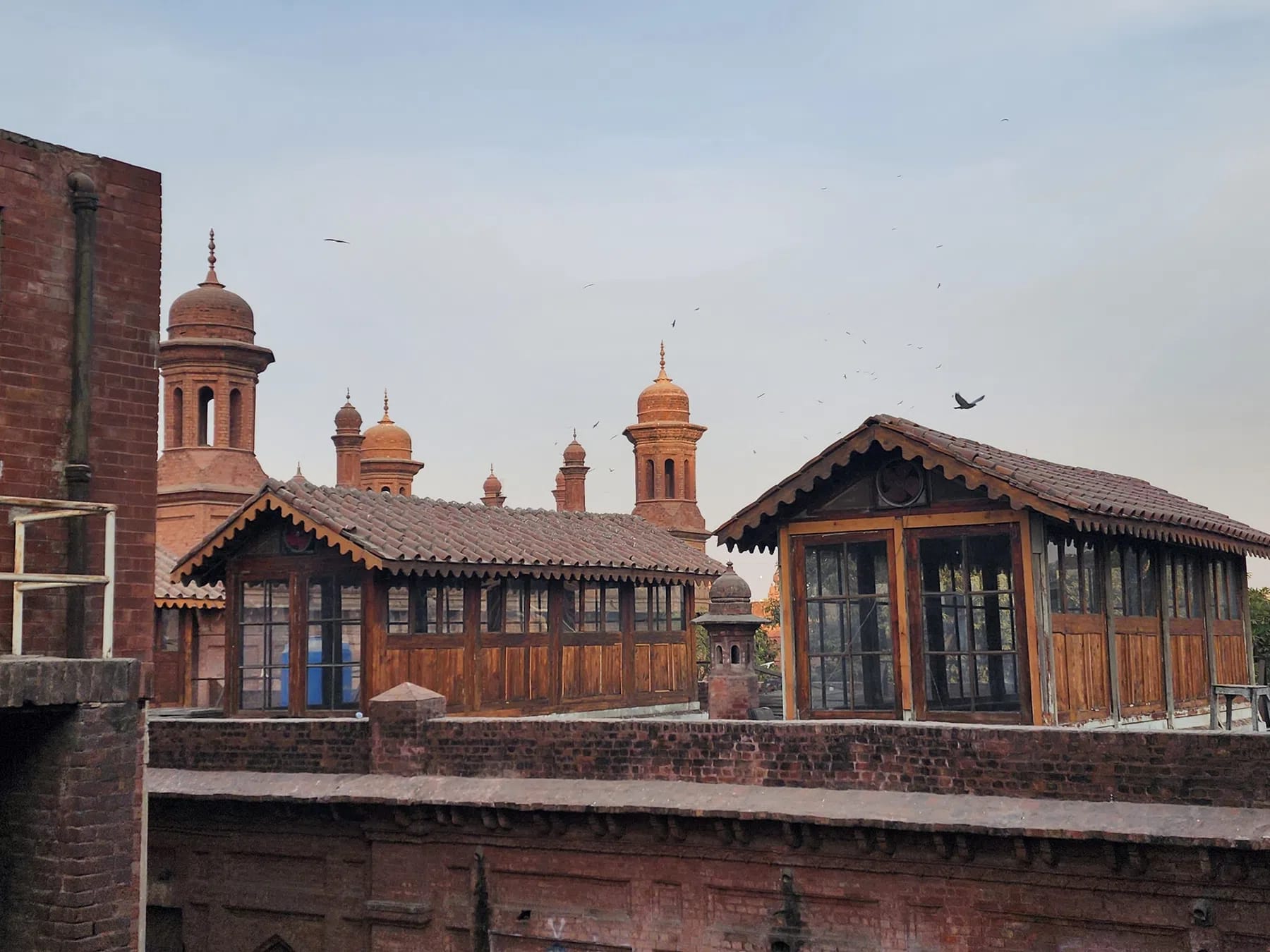
Art students treat their campuses like content studios.
They film studio sessions, graduation walks, degree shows, whatever catches the light that day. That habit just ran into a wall at Pakistan's oldest art school.
The National College of Arts in Lahore issued a notice on 2 October titled "Prohibition on Unauthorized Filming, Recording and Use of College/Hostel Premises for Social Media Content." The notice was posted under that heading with the date 02-10-2026 on the college's official notices page.
It bars filming, photography, video recording, and content creation anywhere on campus or hostel grounds without prior written approval.
The scope is broad. It does not just restrict recording. It also prohibits uploading, publishing, circulating, or otherwise using any campus footage for personal, commercial, promotional, or entertainment purposes. Permission must come from what the notice calls the "competent authority," a term it never defines.

The retroactive clause is the sharper edge. Anything already posted must come down once flagged, the notice says, with content ordered removed "immediately upon notice." Violators face referral to the Disciplinary Committee, a fine, or other unspecified action. The rule binds everyone on campus, not just students. Faculty, officers and staff fall under it too.
This is not NCA's first attempt at steering what gets posted online. A separate notice dated 11 November 2024 gave teaching and non-teaching staff directions on social media use. That notice still sits on the same board as the new filming prohibition. Two years apart, both documents point in the same direction: tighter control over how the college appears outside its own walls.
Context matters here. The National College of Arts is a public university in Lahore, chartered federally, and recognized as the oldest art school in Pakistan and the second oldest in South Asia. It was founded in 1875 as the Mayo School of Arts, and its graduates include painters and multimedia artists with international reputations, among them Shahzia Sikander, Ali Zafar, Imran Qureshi and Faiza Butt.
Its current vice chancellor, Murtaza Jafri, was appointed principal and vice chancellor of the National College of Arts in August 2013. Jafri's office has not issued any public comment specifically addressing why this notice arrived now.
That silence leaves a lot unanswered. Who actually counts as the competent authority? What happens to thesis documentation and degree-show footage, which students need for portfolios and, increasingly, for freelance income built on process videos? Whether a photo taken before 2 October falls under the removal order or only new content does. The notice's own language does not resolve any of it.
NCA is not operating in a vacuum here. Pakistani campuses have cracked down on student content before, and not quietly.
In 2020, the National University of Computer and Emerging Sciences, known as FAST Lahore, threatened and punished students over memes posted about the institute and its staff. That episode triggered the hashtag ShameOnFAST and days of public backlash. Whether NCA's notice sparks a similar reaction remains to be seen, but the parallel is hard to miss.
There's also a messier backdrop specific to NCA itself. Earlier this year, an influencer who briefly attended the college quit publicly, describing a toxic campus culture in a widely shared video.
The video prompted a wave of responses online, with many current and former students sharing similar experiences about the college. That controversy put NCA's internal culture under outside scrutiny for weeks. A blanket filming ban, arriving months later, inevitably reads against that backdrop, fairly or not.
None of this means the notice is without precedent elsewhere. Universities worldwide restrict filming for privacy, safety or intellectual property reasons, and art schools in particular juggle unfinished student work that artists may not want circulating before it's ready.
Degree shows often involve loan agreements, insurance terms and copyright questions that genuinely complicate casual filming. An institution has legitimate reasons to want some control over its image.
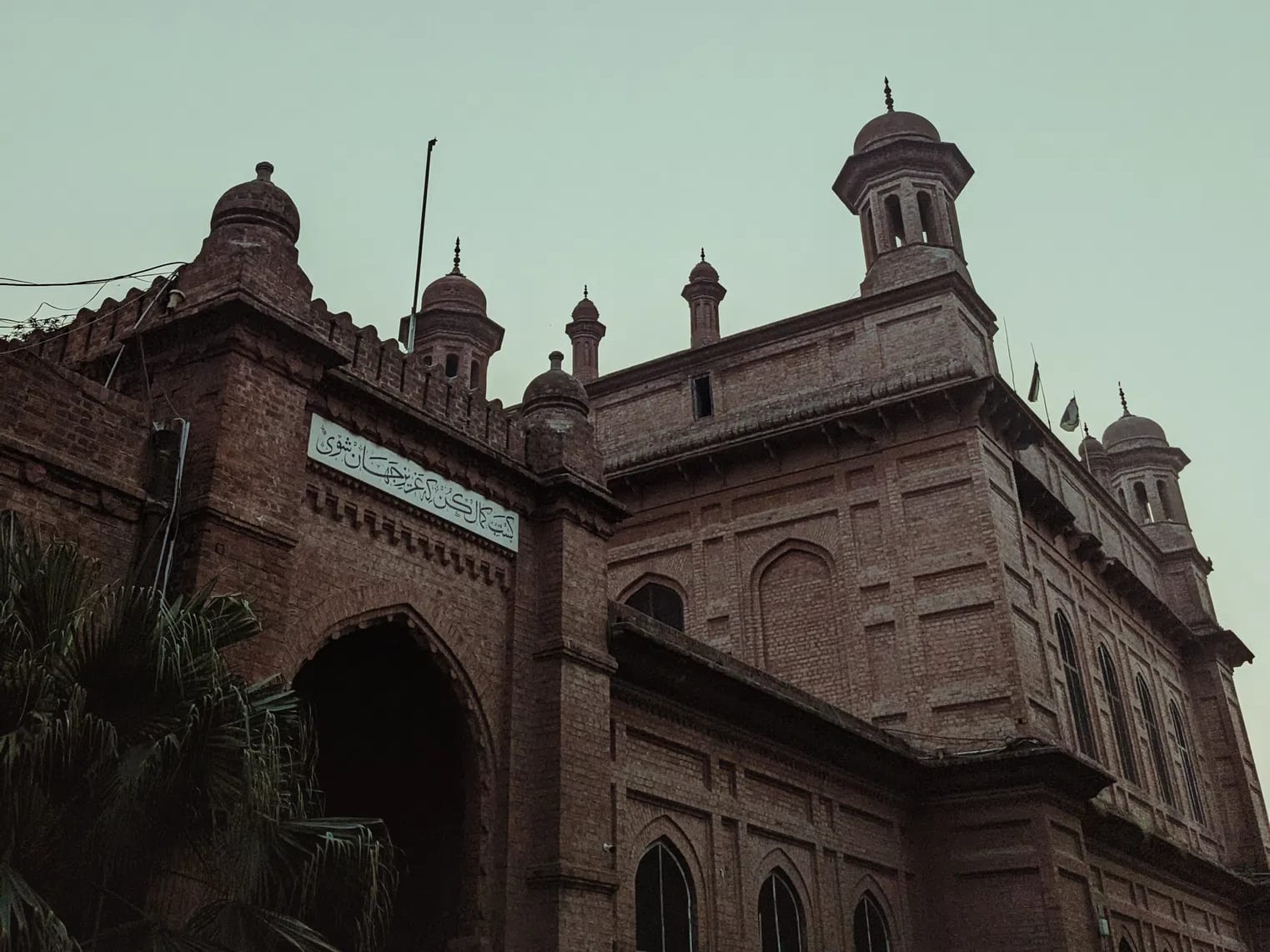
But NCA is not a typical campus. It is an art school whose entire pedagogical culture runs through visual documentation, through the Tollinton Block's colonial-era arches, through studio corridors that students and visitors alike have photographed for generations. Asking its own students to stop making the content that defines contemporary Pakistani art education is a genuinely strange instruction to put in writing.
What happens next depends largely on how strictly NCA enforces this. A notice that sits unenforced changes little. One that triggers actual fines or disciplinary referrals against students posting studio clips or TikTok walkthroughs would almost certainly generate the kind of backlash FAST faced in 2020, only aimed at a school whose entire brand rests on visibility and creative output.
The notice stands as written, undefined terms and all. Students are left to guess who approves what, and whether their own portfolios are suddenly a liability.
The registrar's office has not clarified the process publicly. Until it does, Lahore's most photographed art campus is, officially, off-limits to the people who've always photographed it best.
Check topics and authors from this story to see more stories like this in your personalized feed and receive updates when new work is published.


