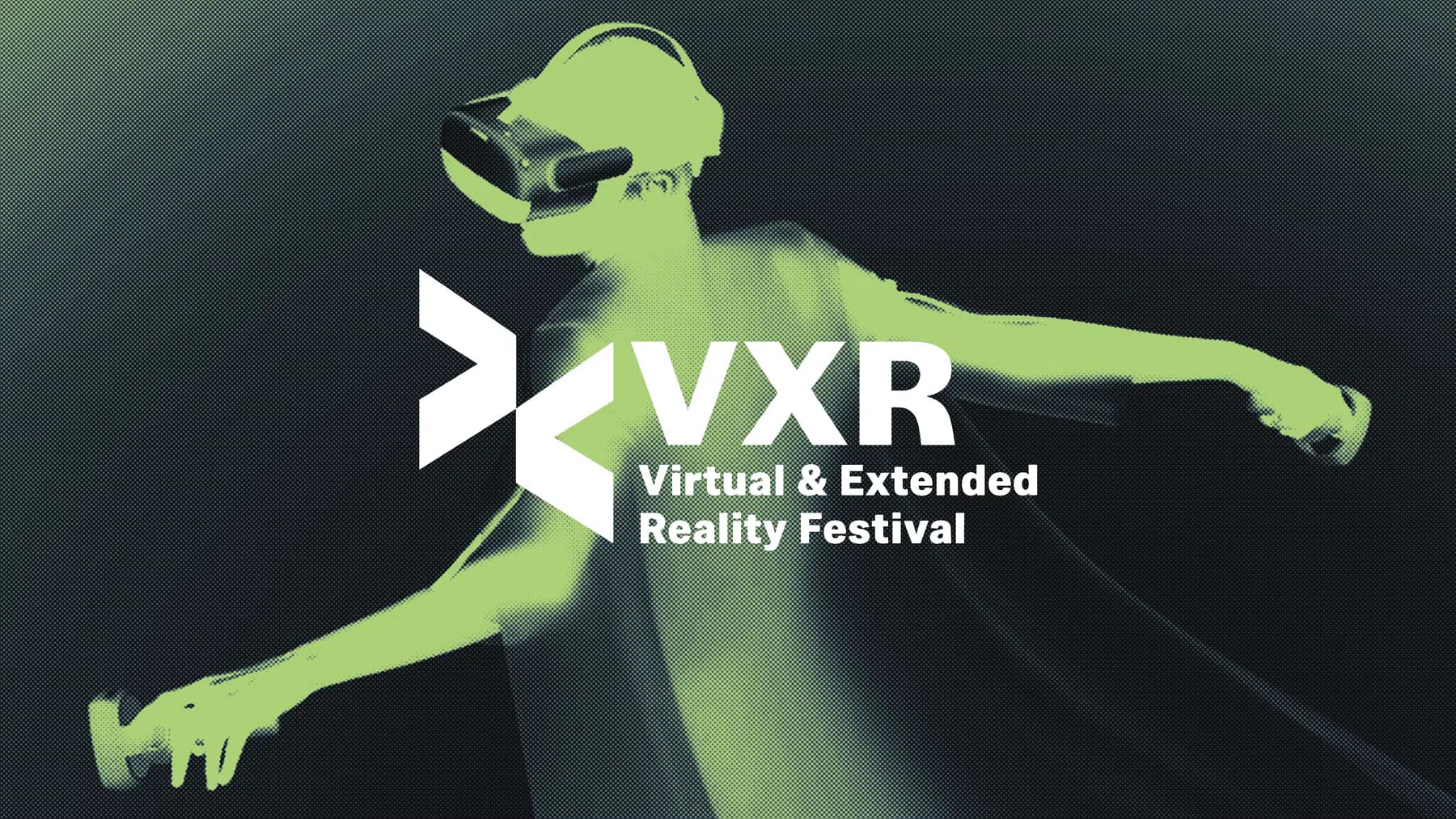

Digital tools keep reshaping how audiences meet painting, story and memory. In Lahore, that shift now has a dedicated stage.
Pakistan’s first international festival of virtual and extended reality art opened to a full house at Alliance Française de Lahore. Titled Between the Prompts // V.1, the VXR Festival gathers seventy artists from Pakistan, Spain, France, Canada, the United States and beyond. Entry stays free.
Curators Dr Najam Ul Assar and Sarah Rajper, with assistant Zainab Aamir, frame the programme around the gap between human intention and machine reply. Visitors put on headsets and step inside works that treat algorithms as material rather than novelty.
Assar founded the project through the Lahore Digital Arts Festival team, active since 2019. He has long pushed digital practice into public cultural spaces. “We wanted to bring this work to Pakistan on its own terms,” Assar said after the opening. “The response tells us audiences here have been ready for it.”

Rajper watched first-time users react. “For most people who walked in today, this was the first time they had put on a headset to experience art, not a game or a demo,” she noted. “Watching that moment happen again and again... made the months of work worth it.”
One visitor put the feeling plainly. “I expected technology, but what stayed with me was how personal it felt. Standing inside someone’s memory of a Karachi home, I forgot I was wearing anything at all.”
A standout is the Claude Monet VR experience, shown in Pakistan for the first time via the Institut français collection. Viewers move from the artist’s garden at Giverny straight into the Water Lilies at the Musée de l’Orangerie.
Pakistani artists answer in kind. Sana Akram’s Sun turns an Urdu Tilismi Dastan into an explorable canyon filled with spoken narrative. AB Rehman’s Al Buraq 2.0 drops a mythic figure into a science-fiction landscape. Jérémy Griffaud animates nearly three hundred watercolours made in Borneo for Under the Sky. Faqeha Nadeem’s Every Day uses augmented reality to lift a hand-drawn sketchbook off the page.
Sixteen works appeared at the opening, among them pieces by Amna Tariq, Anusha Khalid, Asma Kazmi, Mansoor Ali, Lola Zoido, Marie Lienhard and Sandrine Deumier. Headsets and screens filled the rooms before an artist meet-and-greet.
Venues across Lahore host the rest of the run: National College of Arts, R Space at the Mariam Dawood School of Visual Arts and Design, and Beaconhouse National University. The programme then moves to Islamabad for three days at National College of Arts Rawalpindi, the Pakistan National Council of the Arts and Alliance Française d’Islamabad.
Support comes from the Embassy of France in Pakistan, Alliance Française de Lahore, the Institut français, the Embassy of Spain in Pakistan, AECID and UNESCO.
Assar has stressed that immersive tools need not erase inheritance. “Immersive technology does not have to replace tradition. In the hands of these artists, it becomes a way of carrying inherited forms forward on their own terms.”
The festival arrives as South Asian digital practice gains ground yet still fights for public platforms. By placing headsets in open cultural venues rather than closed labs, VXR tests whether extended reality can become ordinary language for memory and place.
What follows will matter. Successful free access here could steady a circuit for future editions and give local makers steady rooms in which to test new work. For now the headsets stay on, and the doors stay open.
Check topics and authors from this story to see more stories like this in your personalized feed and receive updates when new work is published.


