
When a film draws global praise and still can't be shown where its story is set, the dissonance says more than any censor board ruling ever could.
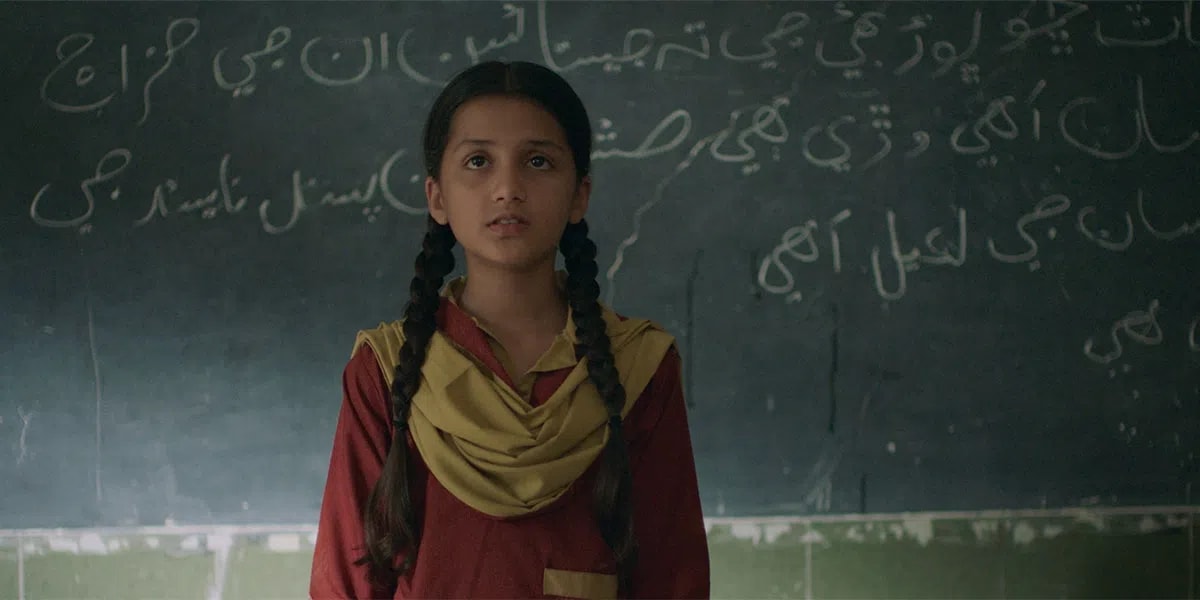
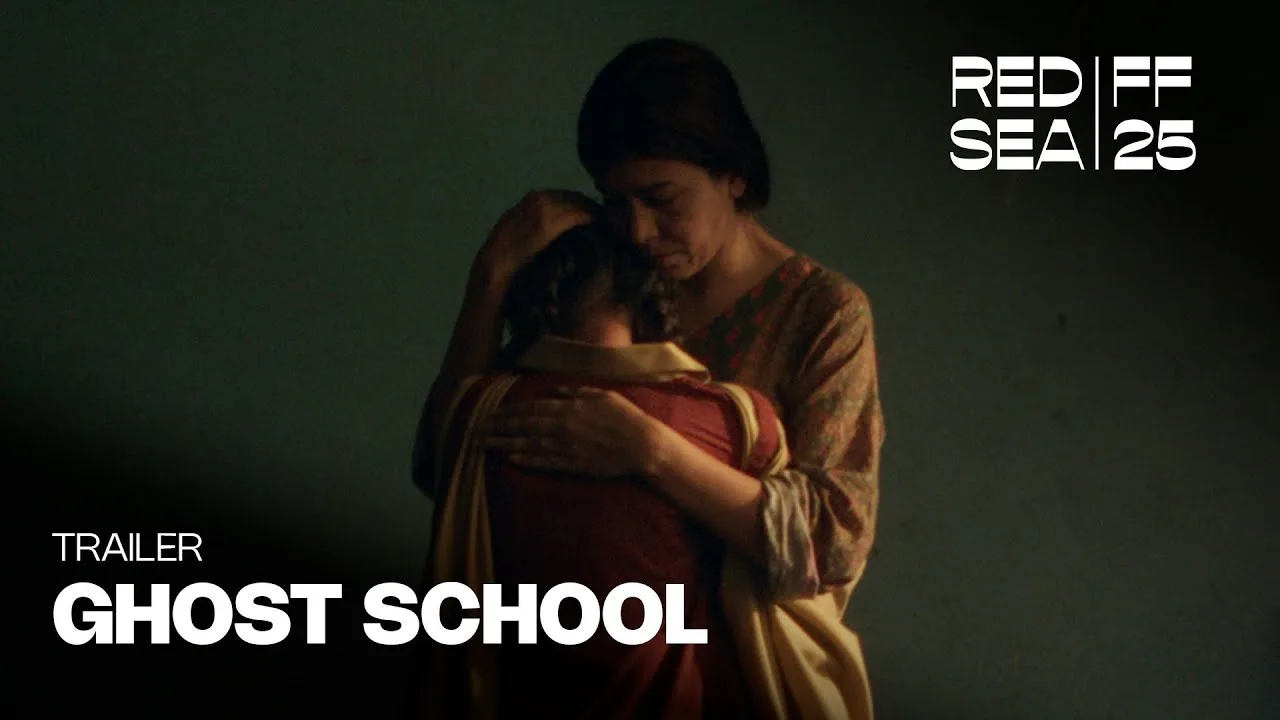
Ghost School, the 2025 Pakistani drama written, directed, and produced by Seemab Gul in her feature debut, stems from her documentary background and personal encounters with abandoned schools in rural Pakistan. The Sindh Board of Film Censors has refused to grant the film a public exhibition certificate, calling it unsuitable for viewing. No specific reasons were cited. That silence is, in its own way, louder than a formal objection.
The film had its world premiere at the 2025 Toronto International Film Festival on 8 September. Its European premiere followed at the 76th Berlin International Film Festival on February 16, 2026, in the Generation Kplus section. It also screened at the Red Sea International Film Festival in December 2025. International audiences have seen it. Sindh, where the story originates, cannot.
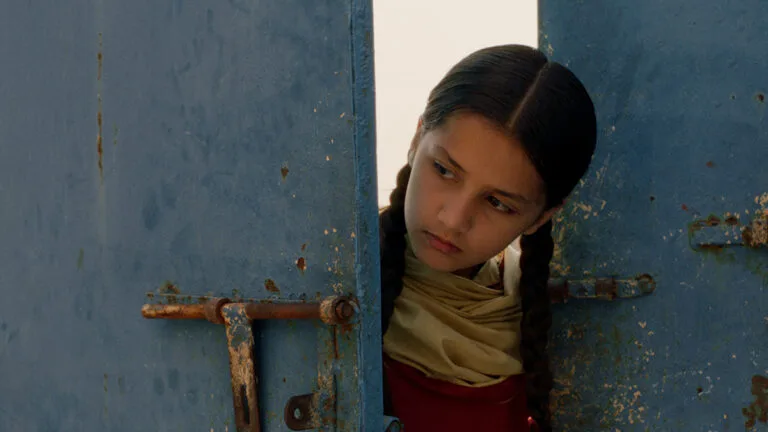
Set in a rural Pakistani village, the story follows ten-year-old Rabia, who discovers that the only school in her community has suddenly been shut down. Rumors spread that the building is haunted and that a jinn has possessed the teacher, but Rabia begins questioning those explanations as the adults around her offer evasive answers. The supernatural framing is deliberate. What Rabia actually uncovers is something far more banal and far more damaging.

"Ghost schools" are educational institutions that exist only in name, their buildings standing empty while corrupt officials pocket government funding and teaching salaries. An estimated 30,000 such schools are spread across Pakistan, with around 7,000 in Sindh alone. According to UNICEF, 25.1 million children in the country aged five to 16 do not attend school. The film turns those statistics into something visceral and personal through a child's eyes.
Gul conceived the project while traveling through Pakistan in late 2022, making short films for Greenpeace International about devastating floods that killed more than 1,700 people across Sindh and Balochistan. She has recalled encountering resistance from the start: "I came across many brick walls, with people either denying the existence of these schools, or telling me not to expose something that may shame Pakistan."
Gul is a British-Pakistani filmmaker who grew up in Karachi and moved to the UK for her late-teen education. She holds a BA in Fine Art and an MA in Filmmaking from the London Film School. An alumna of Locarno Open Doors, Berlinale Talents, and the Venice Biennale College, she is known for the short film Sandstorm, which won 20 festival awards. She is currently developing an English-language feature with Film4.
Ghost School was largely self-funded and supported by grants, including a €25,000 completion grant from the MOIN Film Fund and additional post-production backing from the Red Sea Fund. French-based MPM Premium acquired its international sales rights before the Toronto premiere. For a modest debut, the trajectory has been remarkable.
Pakistan's censorship landscape makes this kind of ban structurally possible. Since the Eighteenth Amendment to the constitution, the federal Central Board of Film Censors has limited jurisdiction, with separate provincial boards in Punjab and Sindh handling their own territories. This fragmented system has resulted in unequal standards and variations of jurisdiction, with films sometimes passed in one province and disapproved in another. The Sindh board's decision on Ghost School does not automatically prevent screenings elsewhere in the country. But the province where the crisis is most acute is now the one place where the film cannot be seen.
The ban has drawn public outcry over artistic freedom and perceived suppression of a documented social issue. Sindh itself recently moved to dismiss over 10,000 ghost employees from its School Education Department after they failed to justify prolonged absence. A film confronting the same dysfunction, it seems, is less welcome than the bureaucratic cleanup.
Gul has not yet publicly responded to the ruling. Given her track record, though, quiet is unlikely to be permanent.
Check topics and authors from this story to see more stories like this in your personalized feed and receive updates when new work is published.


