The art world rarely gets its own dedicated seat at Time Magazine's table. That changed this week.
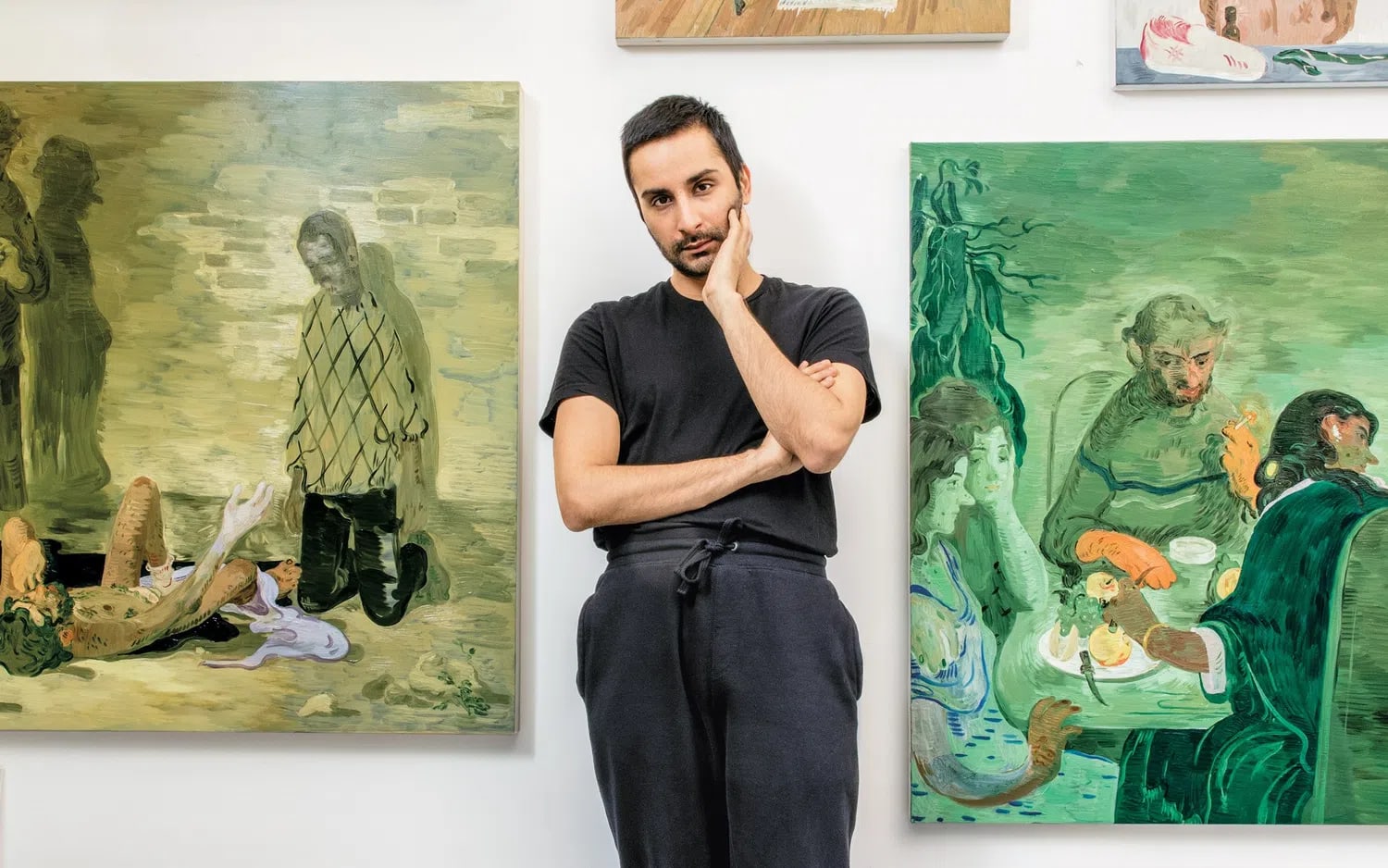
Pakistani-born painter Salman Toor has been named among TIME magazine's 100 most influential people in art, joining the inaugural edition of a global list published on Thursday that recognises figures shaping the contemporary art world. Toor, 42, was placed in the Icons section.
TIME said its inaugural TIME100 Art list was compiled over recent months to identify people shaping the global fine art world, with only half of those selected being artists themselves. The New York-based, Lahore-born artist was included alongside museum directors, curators, gallerists, collectors, and other figures who TIME says are shaping the field.
The issue's worldwide cover features a portrait of painter Amy Sherald, photographed by Tyler Mitchell, who is also featured on the list.
Toor's inclusion is well-earned, and the timing is pointed.

Sambit Biswas
He gained international prominence after his first museum solo exhibition, How Will I Know, opened at New York's Whitney Museum of American Art in 2020. What followed was a run that very few mid-career painters see. Since that breakthrough show, his paintings have sold at auction for more than $1 million; he toured a solo exhibition to four museums, participated in the Venice Biennale, and sold out a two-part gallery show.
That touring exhibition, No Ordinary Love, was originally organized by the Baltimore Museum of Art and traveled to the Tampa Museum of Art, the Honolulu Museum of Art, and the Rose Art Museum at Brandeis University between 2022 and 2024. The two-part gallery show, Wish Maker, was on view at Luhring Augustine Chelsea and Tribeca in June and July 2025.
His paintings resist easy categorization. TIME describes his work as paintings of "young brown men in states of convergence and of isolation" across different settings. His canvases depict people experiencing friendship, love, solitude, and alienation, with fictional scenes rooted in personal memories and experiences.
The tension between belonging and estrangement runs through the work as a constant current, and it's a tension Toor knows personally. "I straddle two cultures," Toor told TIME, speaking about the influence of growing up in Pakistan before moving to the United States.
He studied painting and drawing at Ohio Wesleyan University and received his MFA from Pratt Institute in Brooklyn. His formal training is visible in the work's technical fluency, an oil painter's command of light and atmosphere, though the subjects he places inside that light, queer brown men navigating private and public space, remain firmly his own.
This is not his first appearance on a TIME list. Toor was previously featured on the magazine's TIME100 Next list in 2021. Moving from "Next" to the flagship art list in five years says something real about the trajectory.
The recognition lands at a particularly well-timed moment. His first solo European exhibition, Salman Toor: Someone Like You, is due to open at London's Courtauld Gallery on October 2, bringing together 19 paintings created since 2019, focused on human relationships and the desire to find a sense of cultural and emotional belonging. The show will remain on view through January 10, 2027.
For the Courtauld, a gallery better known for its Impressionist holdings and Old Master drawings, hosting a solo show by a living figurative painter with Toor's subject matter is itself a statement. TIME CEO Jessica Sibley described the broader list as recognizing people "whose vision is expanding the possibilities of art and shaping the global conversation."
Toor fits that framing not as an outlier but as evidence of a genuine shift in which voices are centred within major institutions.
The London show opens as the broader conversation around South Asian and diasporic representation in Western art institutions continues to build. Toor's work sits squarely inside that conversation, though it never announces itself that way.
The paintings are intimate before they are political, personal before they are programmatic. That's precisely where their reach comes from.
Check topics and authors from this story to see more stories like this in your personalized feed and receive updates when new work is published.


