Few properties carry as much emotional weight in Pakistani pop culture as a 1990s PTV serial about a spectacled genie and the magical realm of Kokaf.
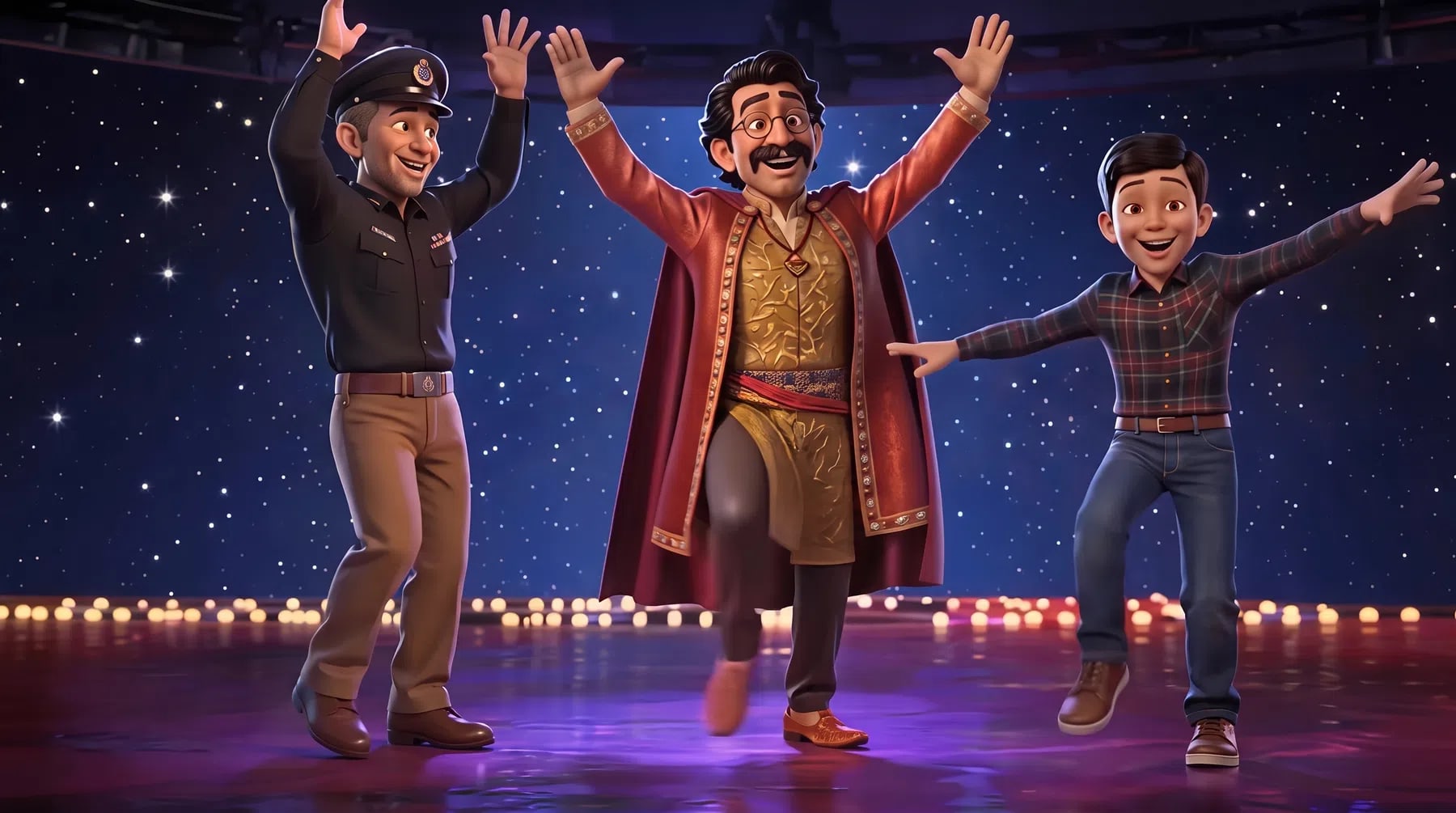
Ainak Wala Jin: The Animated Movie opened in Pakistani cinemas on July 24, 2026. Screenings rolled out across Nueplex, Cinepax and Centaurus Cineplex. Marketed with the tagline "The Magic Returns," the 85-minute Urdu-language film is being positioned as Pakistan's first fully AI-generated commercial film. Directed by Farhan M. Khan, it follows a young boy who stumbles into a fantasy world after meeting a mysterious jinn neighbour.
The original Ainak Wala Jin ran on PTV Lahore from 1993 to 1996 and was widely popular among children for its humour and fictional storyline. It was rebroadcast twice due to public demand. Written by Abdul Hameed, known widely as A Hameed, the concept was conceived by producer and director Hafeez Tahir. For millions of viewers who grew up during the 1990s, it remains a defining childhood memory. So the stakes for any revival were always going to be unreasonably high.
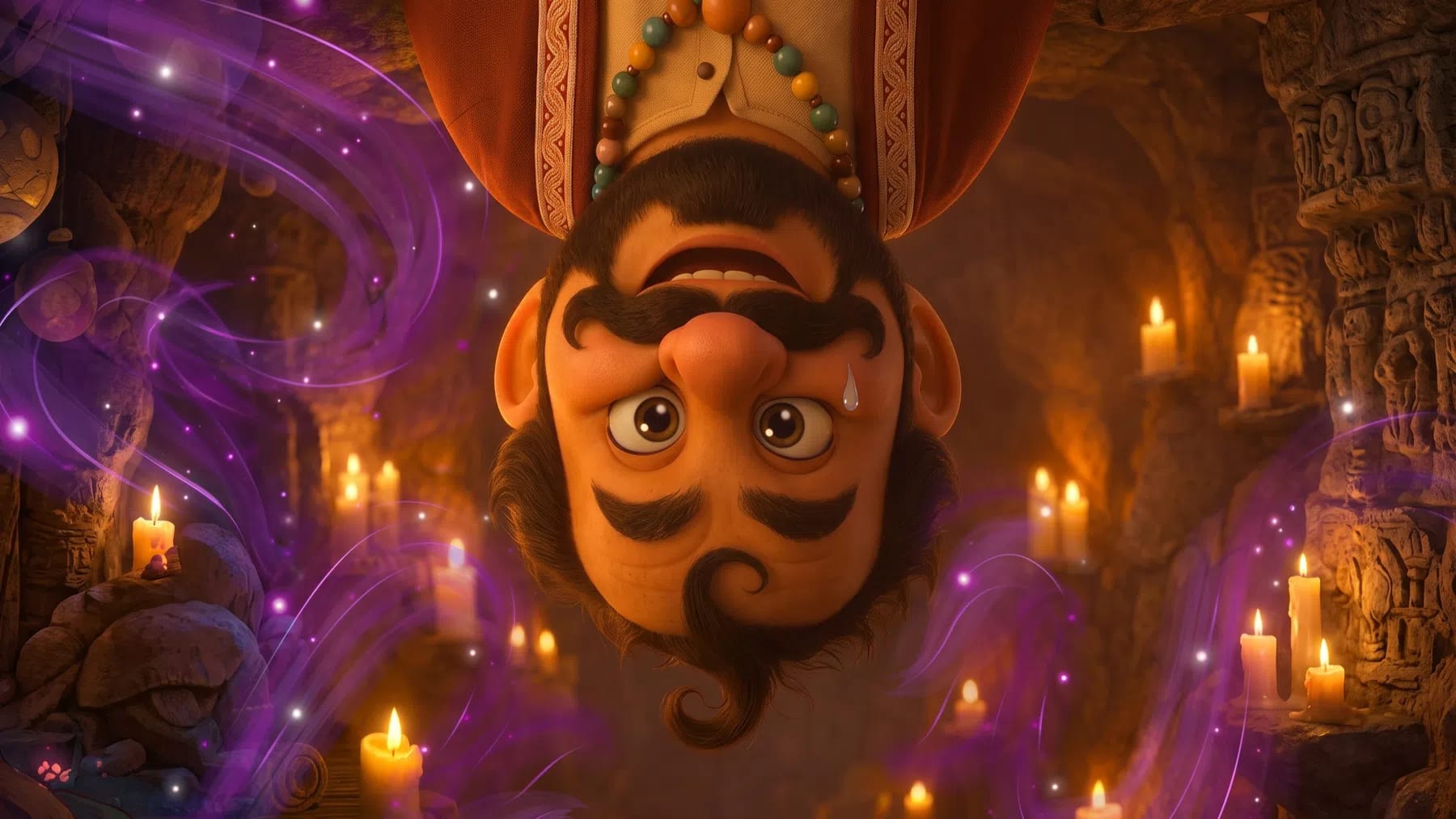
They were not met. Soon after the trailer dropped, social media was flooded with criticism, with many viewers claiming the visuals looked rushed, unfinished, and noticeably AI-generated.
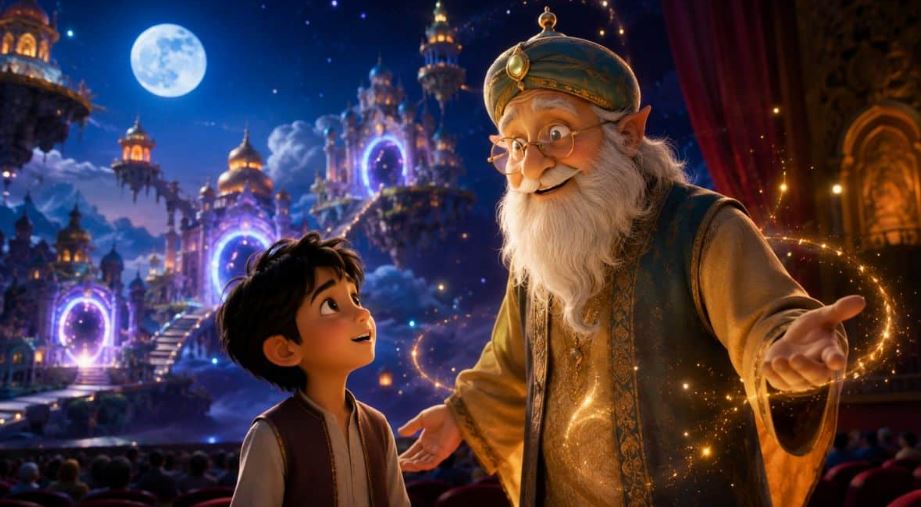
The biggest talking point came when eagle-eyed fans spotted what appeared to be a Google Gemini watermark in one scene of the trailer. That single frame became the viral accelerant. Comment sections across Facebook, X, and YouTube turned into a meme festival within hours.
"They should've at least used the Pro version," one fan quipped. Another joked, "AI wala Jin." One viewer hilariously renamed the character "(AI)nak Wala Jin." "They seriously saw this and thought, 'Haan ye paise banaegi,'" read another comment. Perhaps the sharpest reaction came from a user who wrote, "Humare cinemas me AI movies lag rahi hain, kitna gir gaya hai humara standard."
Someone wrote on Reddit, "AI slop is officially on National Television." In reply, someone mentioned, "And they charge us for this shit in our electricity bill," and another wrote, "There’s even a guy who is credited as a “director” for this bullshit. He takes this shit so seriously and truly believes he made art 🤣".
It wasn't just the use of AI that upset most people. It was the quality. Others argued that if Pakistan is embracing AI filmmaking, audiences expect something that looks cinematic, not something that resembles a free AI experiment.
Among the more pointed critiques came from within the creative community itself. In a piece for PakistaniArt, founder & animation filmmaker Awais Shaukat wrote that while nostalgia is "precious cargo," it "deserves better handling than a prompt window," adding that the trailer's heavy visual echoes of The Little Prince made the homage feel more like "laziness" than inspiration.
Shaukat acknowledged that AI could one day produce worthwhile work "given real time and real intention," but insisted that "that is not what is happening here," and warned that passing off such a production as a milestone "does a disservice to everyone who has actually put in the hours." "If Pakistani cinema wants a real seat at the global table," he concluded, "it will not be a prompt that earns it," but the same "stubborn, expensive patience" that built the original Ainak Wala Jin.
The backlash is not without precedent across the wider region. Earlier this year, a scene in the trailer for the Thalapathy Vijay-starrer Jana Nayagan also appeared to display a Google Gemini watermark. Netizens called out the usage of AI in movies as an "insult" to the creative process. That watermark was quietly scrubbed from an updated trailer. Whether the Ainak Wala Jin producers plan a similar fix remains unclear.
Many fans said they were disappointed to see such an iconic childhood classic return with visuals they felt didn't live up to its legacy. The original cast, it is worth remembering, has its own difficult chapter. ProPakistani commenters noted the tragedy faced by the original cast, many of whom were forced to live in poverty.
No one from the production team has publicly responded to the criticism. Nobody has explained what tools were used or how the film was funded. For a project billing itself as a first for Pakistani cinema, that silence is conspicuous.
The magic, as viewers keep pointing out, has not returned.
Check topics and authors from this story to see more stories like this in your personalized feed and receive updates when new work is published.