For years, Pakistan's primetime television audience has voiced one recurring complaint: every serial looks and sounds like the last one. Now a veteran from inside the industry thinks he knows why.
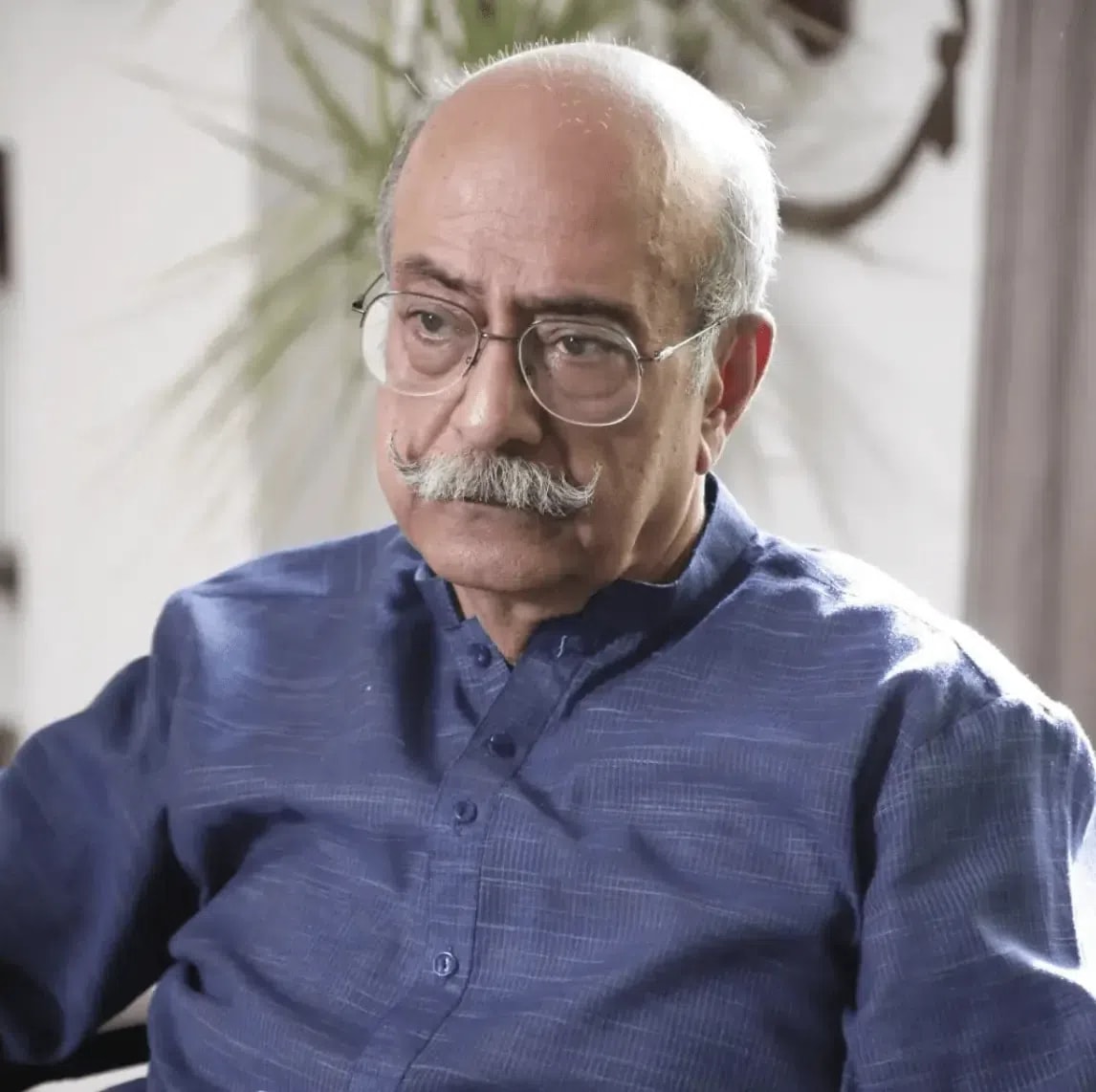
Syed Mohammad Ahmed, the Karachi-born screenwriter, lyricist, actor, and director active since 1980, has alleged that a significant portion of the writers behind Pakistan's sprawling 26-episode dramas are quietly outsourcing their scripts to AI. The claim, reported by Dawn Images and Brandsynario on July 27, has so far drawn zero on-the-record responses from channels, producers, or fellow writers.
The accusation carries unusual weight because of who is making it. Ahmed is a Pakistani screenwriter, lyricist, actor and director best known for Mystery Theater, Azar Ki Ayegi Baraat, Tanhaiyan Naye Silsilay, Goya, and the critically acclaimed film Ramchand Pakistani. His appearance as Agha Jan in Suno Chanda was praised by critics, and in 2019, he received a nomination for Best Actor for his role in Cake at the 18th Lux Style Awards.
This is not a new grievance for Ahmed. He has previously refused to call the serials "dramas in their true sense," arguing that many scripts recycle the same age-old storylines. Speaking on a comedy program last year, he questioned whether one hit obligates the entire industry to copy its script, noting that divorces appear in almost every serial. He pointed to successes like Kabli Pulao as proof that audiences reward originality when given the chance.
What makes this latest charge different is the specificity. Ahmed is no longer blaming lazy writing habits or channel pressure alone. He is naming a tool. And the timing places his allegation alongside a broader reckoning in Pakistan's entertainment sector. Actress Mehar Bano recently made headlines by revealing the prevalence of AI-generated scripts in the local drama industry, prompting a conversation about the future of professional writers. Bano went further, calling the practice "the ultimate disrespect to the professional writers who have devoted so much time to this industry."
Academic research from 2025 has traced a similar pattern. Generative AI now prowls Pakistani writers' rooms, "parsing thousands of box-office scripts to suggest plot beats and alternative dialogue." Yet field interviews confirm that writers largely treat AI as a brainstorming aide, not an author, noting that it "can outline a tragedy, but cannot embed the ache" of lived experience. The gap between that careful use and wholesale ghostwriting is exactly what Ahmed is alleging has been crossed.
Viewer frustration has been building independently. Dawn Images recently questioned why an increasing number of Pakistani dramas seem to be underestimating the intelligence of viewers, with recycled character arcs and implausible story gaps becoming routine. Audiences have been "fed the same outdated narratives so consistently" that they continue watching out of habit more than choice.
For an industry built on the emotional intimacy between writer and audience, the idea that a machine occupies that space is profoundly uncomfortable. Ahmed himself moved away from conventional writing methods and was praised for using real humor to highlight serious social issues, with most of his work revolving around layered, realistic stories.
No channel head, content executive, or named writer has responded to Ahmed's allegation yet. That silence is, for now, the loudest part of the story.
Check topics and authors from this story to see more stories like this in your personalized feed and receive updates when new work is published.