As artificial intelligence continues reshaping how stories get made across global entertainment, one Pakistani actress is pulling back the curtain on her own industry.
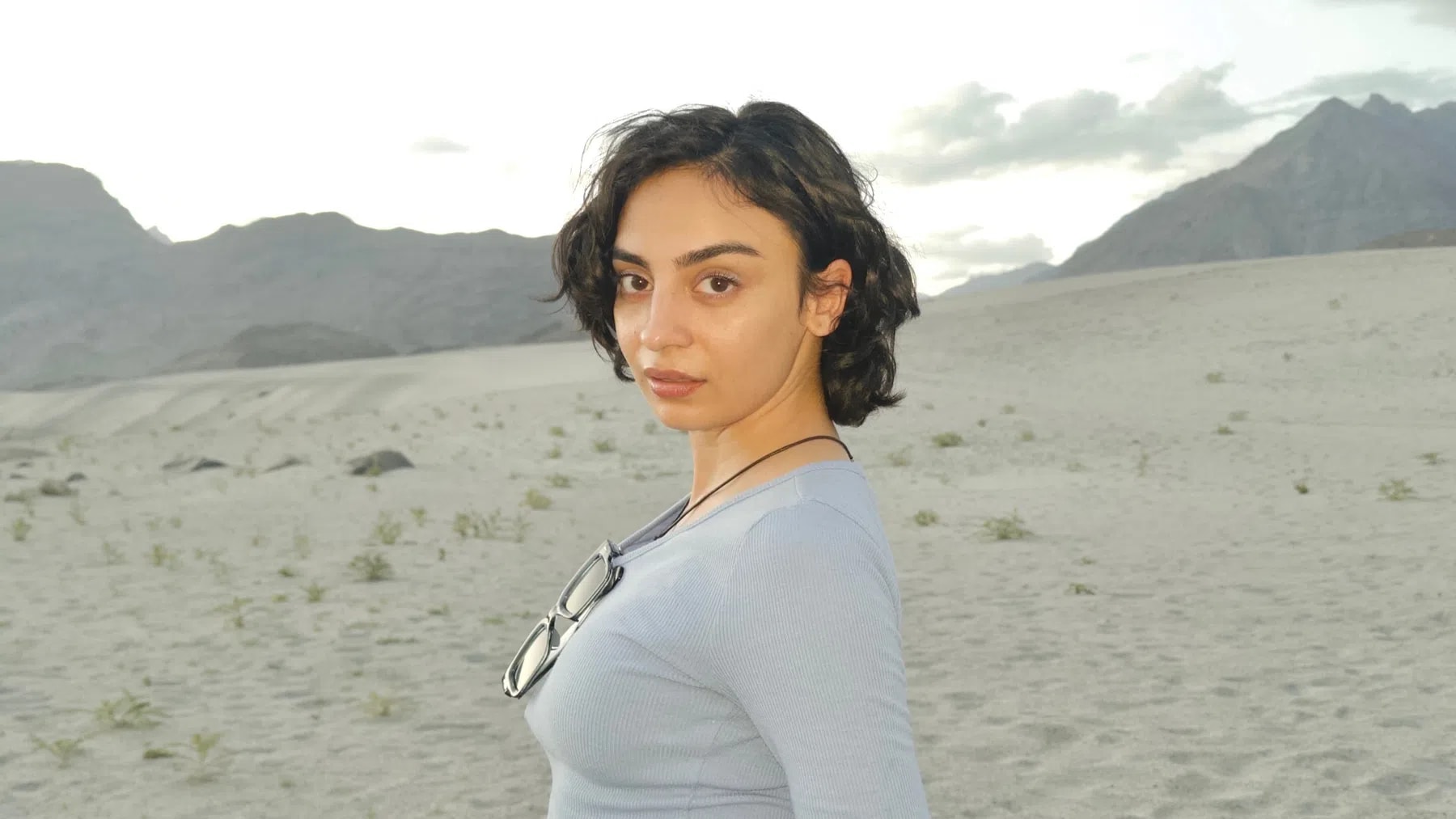
Mehar Bano, a National College of Arts graduate who has spent over a decade carving out a reputation for taking on unconventional roles, recently alleged that producers in Pakistan's television drama industry are relying on AI tools to generate scripts. Bano has taken on challenging parts in Urdu-language productions, including Batool in the 2018 drama Balaa and appearances in the anthology series Churails. Subsequent cinematic efforts included Taxali Gate (2024), a Lahore-set crime thriller co-starring Yasir Hussain and Ayesha Omar.
Her claim cuts close to a nerve already exposed elsewhere. In Hollywood, the 2023 WGA strike centered partly on the same fear. The Writers Guild of America strongly opposes AI writing tools that aim to replace human writers. Their contract with AMPTP prohibits reuse of writers' work to train AI systems without consent. That fight played out on picket lines in Los Angeles. In Karachi and Lahore, the conversation is newer and, for now, largely informal.
Bano's disclosure arrived during a broader public reckoning. In June 2025, during a discussion with host Tabish Hashmi, she disclosed pervasive harassment in the Pakistani entertainment industry, noting that both male and female performers encounter exploitation on and off set. Her AI comments landed in the same spirit of candor. According to the actress, some producers are using automated tools to outline or entirely draft scripts, contributing to the repetitive storytelling audiences have grown tired of.
She is not the only figure in the region experimenting with the technology, either. Renowned filmmaker Shamoon Abbasi is set to break new ground with AI-driven projects at AI Box Cinema, pioneering AI filmmaking in Pakistan. In an interview with Fashion Times, Abbasi spoke about his AI-assisted productions, including 9 Hours. "Pakistan has been slow in adopting AI in a meaningful way, but my project aims to change that," he said. "I believe we're pioneering in this domain here."
There is a key distinction, though. Abbasi is transparent about his use of the technology. Bano's concern targets a quieter shift, one where AI enters the writing room without credit or acknowledgment, and where human screenwriters may lose work they never knew was taken from them.
In Churails, Bano played Zubaida, a boxer seeking independence and love, in the critically acclaimed ZEE5 series directed by Asim Abbasi. That kind of layered, character-driven writing is precisely what she fears AI cannot replicate. Beyond acting, she has also established a dance studio in Lahore in 2025 to train aspiring performers.
Whether Pakistani networks will address these claims remains to be seen. For now, Bano has put a name and a face to a worry that many in the industry likely share but few are willing to voice publicly.
Check topics and authors from this story to see more stories like this in your personalized feed and receive updates when new work is published.