
South Korea's fiercest cultural tripwire isn't a scandal about what a celebrity did, but what a celebrity's ancestor did over a century ago.
Ha Young, whose rising career just hit a major roadblock, is learning that lesson in real time. The controversy began when the actress, whose real name is Ahn Ha-young, appeared on a South Korean variety show and mentioned her family's four-generation legacy in the medical field.
She said her great-grandfather had studied medicine in Japan and later opened the first Western-style clinic in Hanyang, now Seoul. She also mentioned that he had treated Emperor Gojong, the former King of Joseon.
After the show aired, viewers identified him as Ahn Sang-ho, a member of the pro-Japanese group Daejeong Chinmokhoe, also known as the Taisho Friendship Association. That organization was established in Seoul in 1916, named after the reigning Japanese Emperor Taisho.
A 2007 research paper described it as "a Japan-Korea assimilation organization aimed at endorsing the Governor-General's politics and harmonizing the Japanese and Korean ethnicities." Historical records also show Ahn Sang-ho married a Japanese woman, adopted Japanese customs, and stated in a 1918 newspaper interview that he did not wear Korean clothes and was "like a Japanese."
The fallout was immediate. Not helpful.
Ha Young's agency, Bistrus Entertainment, initially dismissed the allegations as baseless on Monday.
One day later, they reversed. "After further checking historical archives, we confirmed that records actually exist listing her great-grandfather, Ahn Sang-ho, as a councilor of Daejeong Chinmokhoe in 1916," the agency said. "We sincerely apologize for the confusion we caused by hastily answering that it was groundless, without sufficient verification," they added.
That deny-then-retract sequence only made things worse.
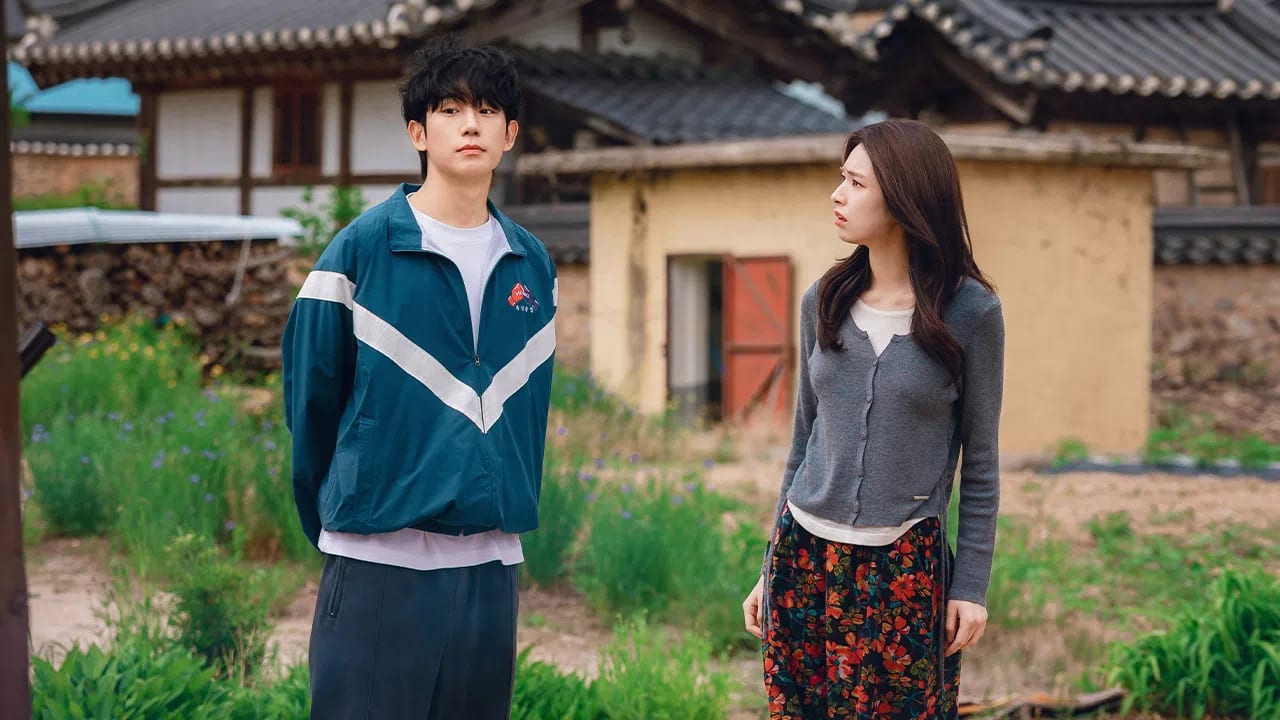
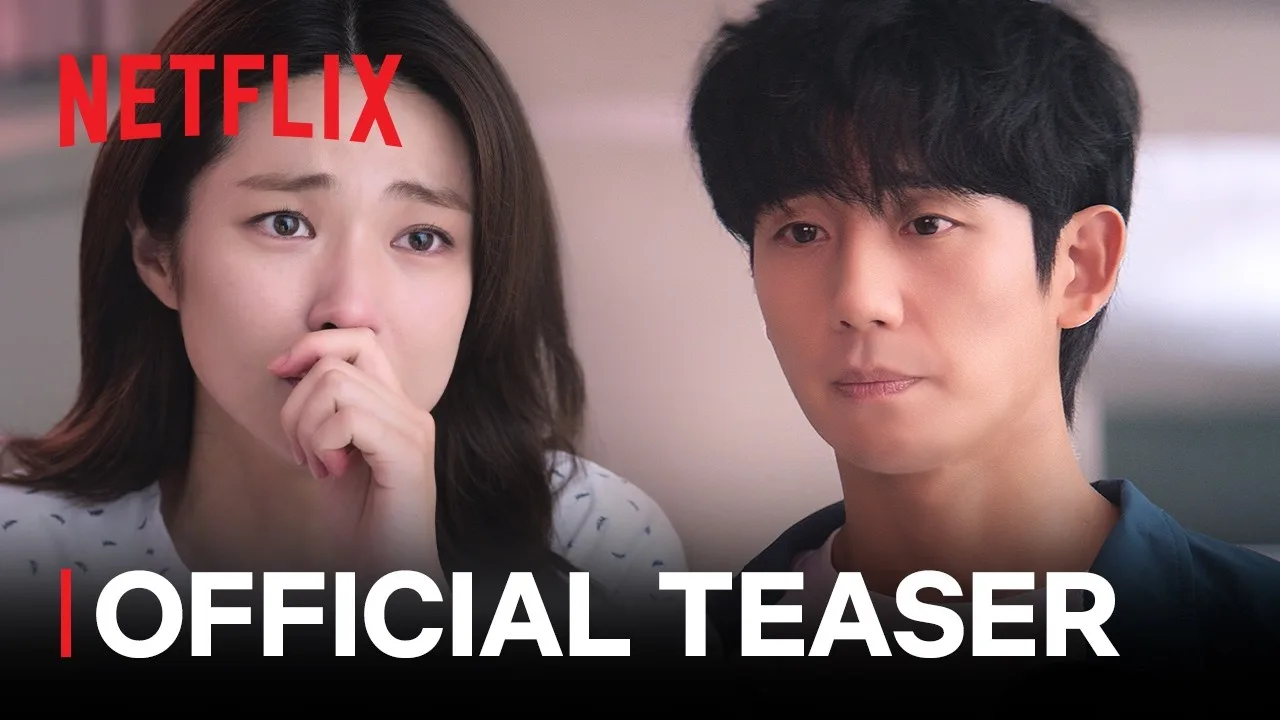
Ha Young posted a handwritten note on Instagram, saying she had previously known only fragments of her great-grandfather's life through family stories and acknowledged she had spoken about him as a source of family pride without fully understanding his past. Promotional events for her Netflix series Our Sticky Love were subsequently cancelled.
The timing has amplified public sensitivity, occurring just days before South Korea marks its 81st Liberation Day. August 15 commemorates the end of Japan's 35-year colonial rule, a period that left deep scars still shaping Korean public life. Accusations of pro-Japanese collaboration carry a weight in Korean society that few international viewers fully grasp.
Writer So Jae-won, known for the film Wish, has been among the sharpest public critics. He wrote on social media: "How terrible is this? When history is forgotten, names that should have grown great vanish, while those that ought to be condemned become celebrated."

For Ha Young, the professional stakes are real. She gained wider recognition in 2025 as nurse Cheon Jang-mi in Netflix's The Trauma Code: Heroes on Call. That series, one of the platform's biggest Korean hits last year, is preparing simultaneous production of seasons two and three. She is expected to return alongside Ju Ji-hoon and Choo Young-woo. Our Sticky Love, a 12-episode rom-com co-starring Jung Hae-in, marks her first lead role.
Her agency confirmed that Ha Young's professional schedule remains unchanged despite the controversy. But criticism has continued, with some arguing the agency's statement failed to sufficiently address broader questions surrounding Ahn Sang-ho's history.
Dispatch also reported additional allegations involving her grandfather, physician Ahn Bu-ho, who reportedly worked at Sorokdo National Hospital during a period when serious human rights abuses were alleged to have occurred there.
International fan communities remain split. Some argue a performer shouldn't be held responsible for a relative's actions 110 years ago. Others point out that Ha Young chose to publicly celebrate a lineage she hadn't fully investigated.
In Korea, celebrities can face backlash not only over their own pasts, but also over those of their ancestors. The only way to survive the storm, one report noted, is by denying their ancestors entirely.
Whether the fallout touches The Trauma Code production remains to be seen. For now, one of Netflix Korea's fastest-rising stars is navigating a kind of crisis that no agency playbook quite covers.
Check topics and authors from this story to see more stories like this in your personalized feed and receive updates when new work is published.


