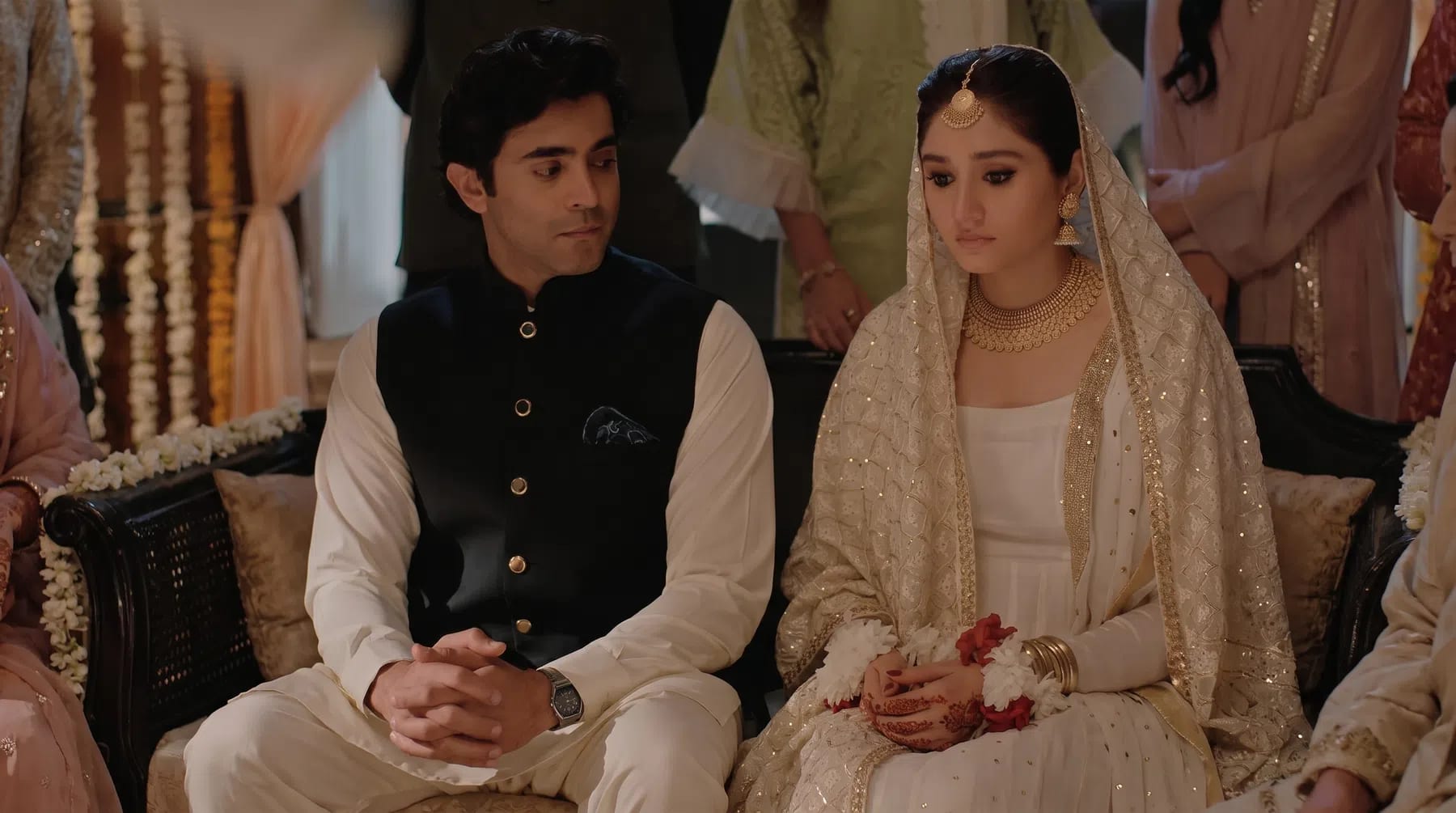

In an era when streaming clips travel faster than borders, and relationship talk fills every feed, one fictional husband has become a shared reference point from Karachi to Delhi. Viewers keep returning to Abu Bakar's patient presence, the central figure in ARY Digital’s Dar-e-Nijaat.
The series premiered on 1 August 2026.
Written by Umera Ahmed and directed by Saqib Khan, it follows Zaryab after betrayal by her childhood friend Zamil. She enters a marriage of convenience with Abu Bakar, played by Sheheryar Munawar Siddiqui. Dur-e-Fishan Saleem portrays Zaryab. Nameer Nawaz Khan plays Zamil. The cast also includes Sania Saeed, Romaisa Khan, and others under Three’s Entertainment. Episodes air Fridays and Saturdays at 8 pm.
Munawar’s character wins trust through steady acts rather than grand speeches. He picks up a flung phone. He brings home an extra toffee. He holds a hand during panic without demands. He offers sincere apologies free of ego. Fans highlight the on-screen chemistry and the unhurried romance that builds after initial distance. Clips of these moments circulate widely.
ARY Digital reported that social media views passed 1.7 billion after 23 episodes. Producer Jerjees Seja later noted a television rating of 16.5. The numbers place the drama among the season’s strongest performers. Indian audiences host watch parties and share edits. Viewers in Bangladesh and elsewhere join the conversation. Many call Abu Bakar the greenest flag on television.
Munawar has pushed back on perfection claims. In a BBC Asian Network interview with Haroon Rashid, he described the role’s people-pleasing habit and saviour complex. “He’s not perfect. No, nowhere is this guy perfect,” Munawar said. He added that the mother raised the character to always do the right thing.
“Imagine the pressure this man lives under.” The actor also revealed he played Abu Bakar as having loved Zaryab from early visits to her home. Subtle hints, such as recalling her preference for pasta, were deliberate.
Ahmed has addressed critics who find the kindness unrealistic. She questioned why basic traits like empathy and forgiveness now seem extraordinary. Some side plots draw separate notes of fatigue. Debates continue over whether the character sets impossible standards. Host Veena Malik warned that measuring real marriages against the fiction can lead to disappointment. Others see the portrayal as a reminder of everyday care that often goes missing.
Munawar’s career already spanned film and earlier television returns before this project. He co-produces through Three’s Entertainment. The role marks another high-profile pairing with Saleem. Their slow-burn arc, nicknamed Abzar by some fans, keeps engagement high as new episodes arrive. Recent chapters include a direct love confession delivered without conditions.
The appeal sits in the contrast with flashier screen heroes. Abu Bakar listens. He does not score-keep. He supports Zaryab’s ambitions, including a possible return to studies. Small gestures accumulate into emotional safety that travels easily across languages and cultures. That safety explains the longing expressed in comments and reels.
Production details add texture. Sets for key rooms drew inspiration from classic cinema and were built on a rooftop. Fresh original soundtrack material arrived after fan requests. The series continues its run with strong digital traction and steady linear numbers.
What comes next remains open. Extension talk circulates without full confirmation. Munawar’s performance has expanded his audience further. The character conversation now sits alongside broader industry talk about what Pakistani dramas deliver to international viewers. For now, Abu Bakar remains the reference many reach for when describing the partner they hope to meet.
The fiction keeps doing what good television does: it holds up a mirror and starts a longer chat.
Check topics and authors from this story to see more stories like this in your personalized feed and receive updates when new work is published.


