
Global fashion keeps widening its map.
Influence no longer sits only in the usual European and American capitals. South Asian labels that put local craft at the center of contemporary clothes keep gaining ground.
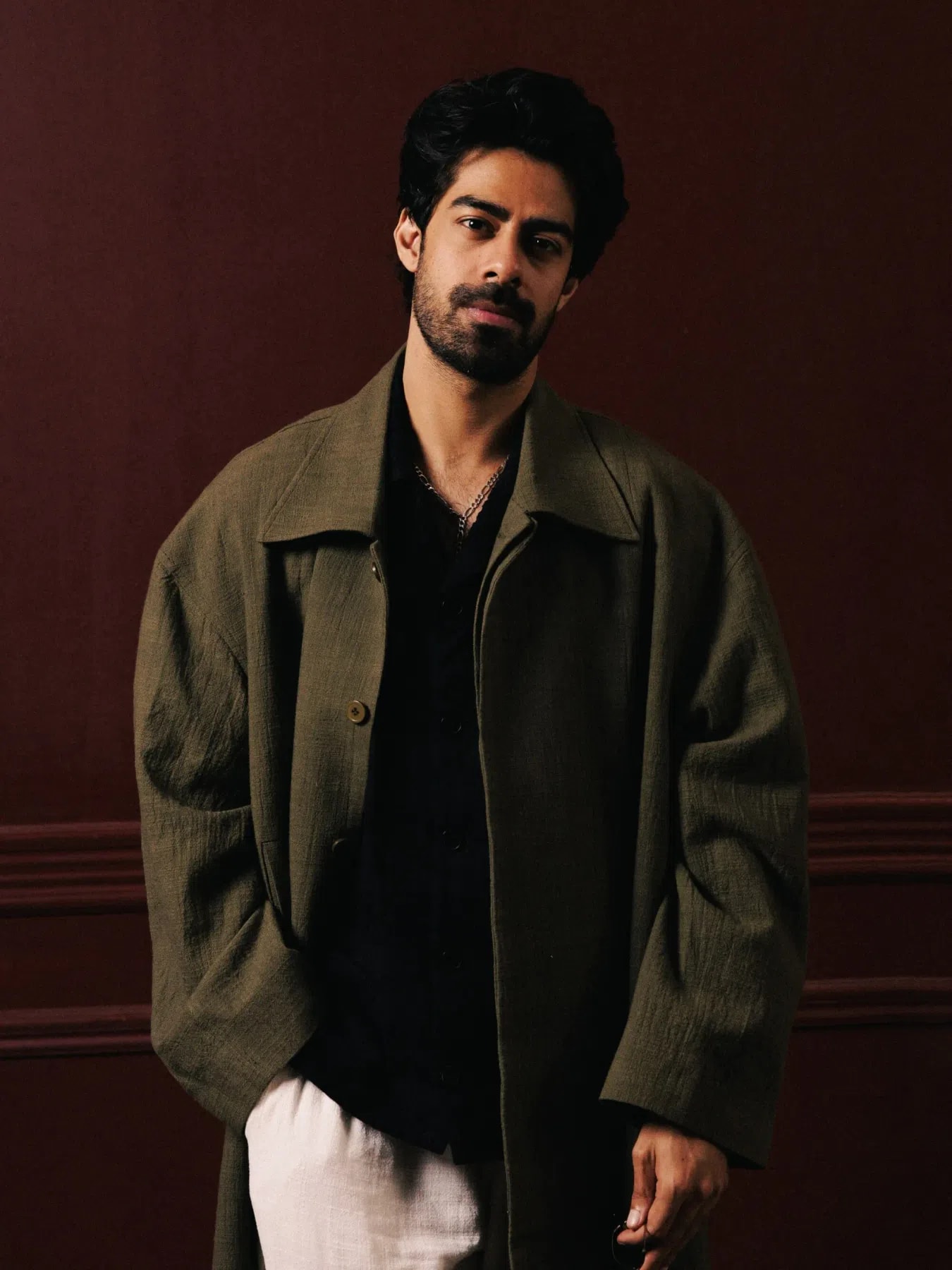
Zain Ahmad just joined that shift in a visible way. The founder and creative director of Rastah entered the Business of Fashion’s BoF 500 Class of 2026. He is the second Pakistani on the index after Faraz Manan, who joined in 2024.
BoF describes the list as the people shaping the global fashion industry. Editors curate it from nominations and on-the-ground reporting. New members arrive each year while earlier ones stay.

Ahmad built Rastah in 2018. It began as a student project at the University of British Columbia, where he studied political economy. He returned to Lahore in his final year. There he started working directly with hand weavers and block printers.
The brand fuses South Asian techniques with streetwear silhouettes. Pieces range from screen-printed hoodies to heavily embroidered coats. Production stays rooted in Pakistan. Artisans remain central.
Rastah hit seven-figure revenue in 2025 with no outside investment. Sold-out pop-ups followed in New York, London and Paris. A showroom opened in Paris. Plans for a New York store have been in motion.
Celebrities found the clothes. Timothée Chalamet, Justin Bieber, Zayn Malik, Riz Ahmed, Barry Keoghan and Anil Kapoor have all worn Rastah. The visibility helped the label travel far beyond Lahore.
BoF noted the wider effect. “Rastah’s success has helped spark a broader movement across Pakistan and South Asia, with other founders now building labels around the same principle of centring artisanship in contemporary clothing for a global audience.”

Ahmad grew up between Pakistan, London and Toronto. That mix shaped the work. Traditional methods meet modern cuts without apology. Early collections tested the idea on simple canvases. Hoodies and tees came first. More complex tailoring and embroidery followed.
In 2022 he made the Forbes 30 Under 30 Asia list. The next year Rastah became the first Pakistani brand to show at London Fashion Week. Momentum kept building through careful drops and direct contact with makers.
Manan opened the Pakistani door on the BoF 500 two years earlier. His couture bridal work draws clients across South Asia and the diaspora. Ahmad’s path sits in a different lane. Streetwear and craft fusion define it.
The industry itself is changing. More attention falls on founders who control their supply chains and keep credit with the people who make the clothes. Rastah’s model fits that moment. Limited runs. High craft hours on some pieces. Pricing that supports the artisans.
Ahmad has spoken openly about the hard parts. Scaling brought growing pains. In early 2026 he reflected on a tough prior year. Growth doubled at points. Monthly sales neared a million dollars in strong months. Yet the team sometimes lost the original thread. They reset with a clearer focus on community and quality.
Pop-ups continue to matter. They build direct relationships. So does the Paris showroom. Physical spaces let people feel the fabric and see the construction up close.
What comes next stays practical. More retail presence. Possible sneakers and leather goods. Hospitality ideas. Continued work with the same weavers and embroiderers who started with the brand. The New York store remains a clear target.
The BoF 500 nod lands at a useful time. It confirms the international read on what Rastah has done. It also puts another Pakistani name on a list that still under-represents the region. Manan and now Ahmad mark progress.
Fashion’s power centers keep multiplying. Labels that treat craft as the main event, not decoration, keep finding audiences. Ahmad’s inclusion shows that path works. Rastah keeps walking it from Lahore outward.
Check topics and authors from this story to see more stories like this in your personalized feed and receive updates when new work is published.


