
Hong Kong's gallery scene has had a rough stretch, with several spaces downsizing or going dark since the pandemic years.
Tang Contemporary is part of that story now, and the details are getting specific fast. Artists who once stayed quiet are naming numbers, dates, and works they say they still cannot get back.
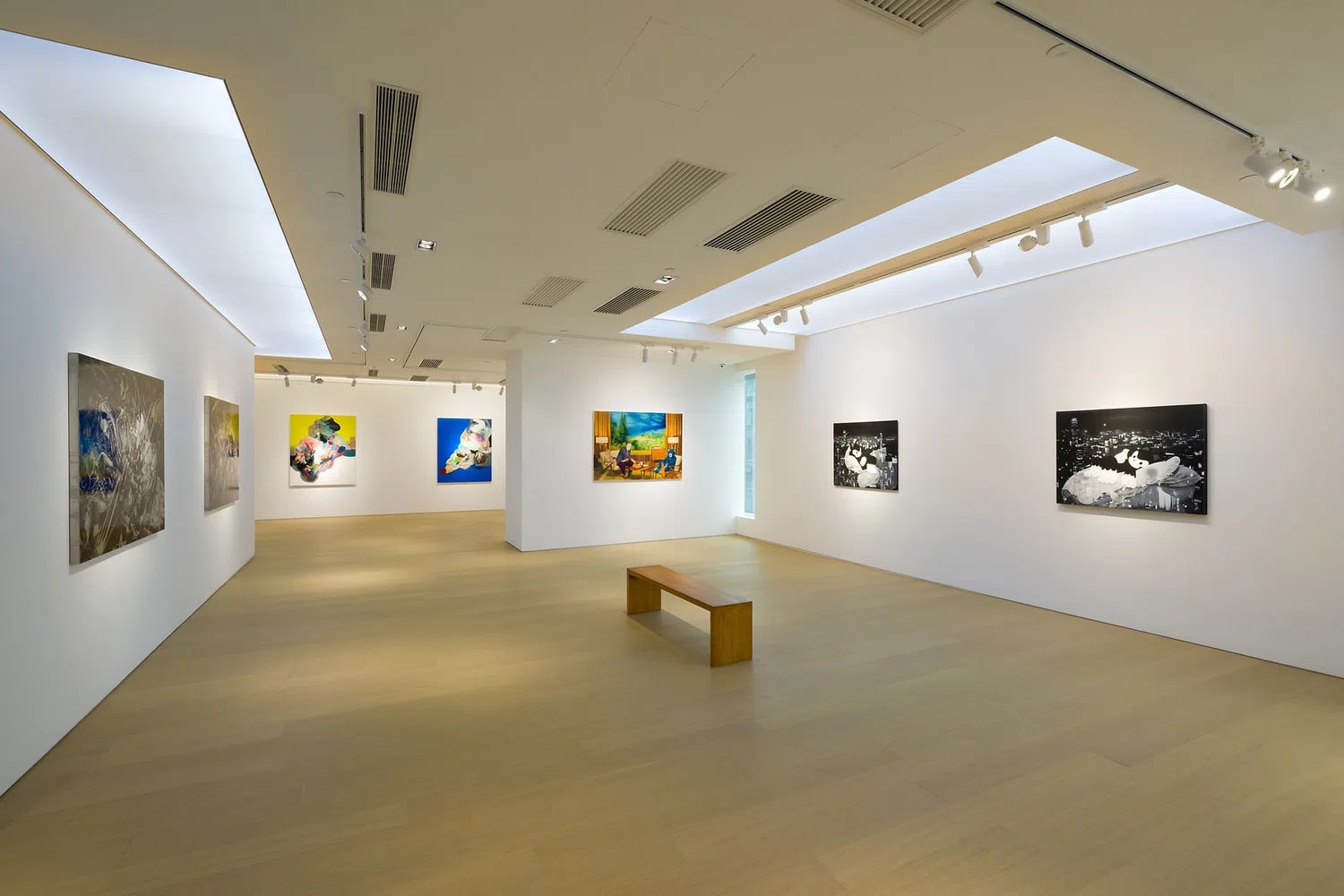
The gallery, founded in Bangkok in 1997, closed its branch in Hong Kong's Wong Chuk Hang district. On 29 August, Tang Contemporary publicly confirmed that its Wong Chuk Hang location had been closed indefinitely since 21 July. That confirmation came days after a legal notice was taped to the door of the shuttered space.
Now the complaints have names attached. Shanghai-based artist Lin Fanglu tells The Art Newspaper that the gallery owes her 160,000 yuan, or about $23,800, and continues to hold eight of her works in overseas locations. Lin says she even offered to cover shipping costs herself just to get two pieces back from storage in Beijing.
New York-based painter Li Nianxin says she and fellow artist Deng Shiqing, who exhibited together at the Wong Chuk Hang space, are each owed roughly $10,000. The gallery is holding between six and eight works per artist, according to Li. She says she knows other artists facing the same situation who have been reluctant to go public. That is about to change on her end.
"I'll speak out on social media soon," Li told The Art Newspaper. "They owe us money, not the other way around."
That line cuts to the heart of director Vivian Har's defense. Har has publicly denied that artists have filed lawsuits against the gallery, even as the financial pressure mounts from multiple directions. A Thai artist's legal representative, who declined to be named, says a complaint was filed on 14 August with the South Bangkok Civil Court. The filing alleges breach of contract and seeks more than 15 million baht, around $450,000.
Bangkok is where Tang Contemporary's story began. The Thai capital is the location of Tang's first gallery, which opened in 1997, and the brand grew into a seven-space network across Asia. It expanded from there into Beijing, Hong Kong, Seoul, and Singapore, building a reputation as one of the region's more aggressive promoters of contemporary Chinese and Southeast Asian art.
The Hong Kong landlord trouble adds another layer. A two-page document obtained by The Art Newspaper, sent by Sino Real Estate Agency on behalf of landlord Grand Apex, demands that Tang Art Foundation Company settle HK$1.57 million, close to $201,000, in unpaid rent accrued between January and August of this year. The notice also references a prior court distraint action, in which a bailiff seized and auctioned property from the premises.
Despite all that, Har insists the picture is not as dire as it looks from outside. She confirmed the gallery has cleared its overdue rent at its flagship H Queen's location in Central, though that space remains closed temporarily for renovations tied to staff relocating from Wong Chuk Hang. She also said balances owed to logistics provider Crozier are being paid off in installments.
On the artist side, Har says liaisons are negotiating individual payment schedules with each artist to find workable terms. She declined to give a firm date for when every debt would be cleared.
"We had a number of good years, and when business was thriving, we always supported our artists," Har said. "So now, when the situation is tough, I hope they can understand."
That framing will not sit easily with artists who say they still can't retrieve their own physical work. Consigned art sitting in a gallery's storage or shipping pipeline is common practice across the industry. It becomes a different problem when a gallery is cash-strapped, and the artist has no leverage to force a return.
Har maintains that Tang's other locations in Bangkok, Beijing, Seoul and Singapore, along with the Central space in Hong Kong, remain operational. She also said the gallery's scheduled art fair participation will continue into next year, a signal that management sees this as a contraction rather than a full retreat.
Whether that holds depends partly on what happens next in Bangkok. The South Bangkok Civil Court filing is still working through the legal process, and a six-figure judgment against the gallery would set a public marker other claimants could point to.
For now, the loudest signal may come from somewhere other than a courtroom. Li has said she plans to lay out her case on social media, where a gallery's reputation can take a hit faster than any legal filing manages. Artists talk to each other. When one goes public, others tend to follow.
Check topics and authors from this story to see more stories like this in your personalized feed and receive updates when new work is published.


