
Few things unite gaming discourse faster than the sight of a glowing trail telling a player exactly where to go.
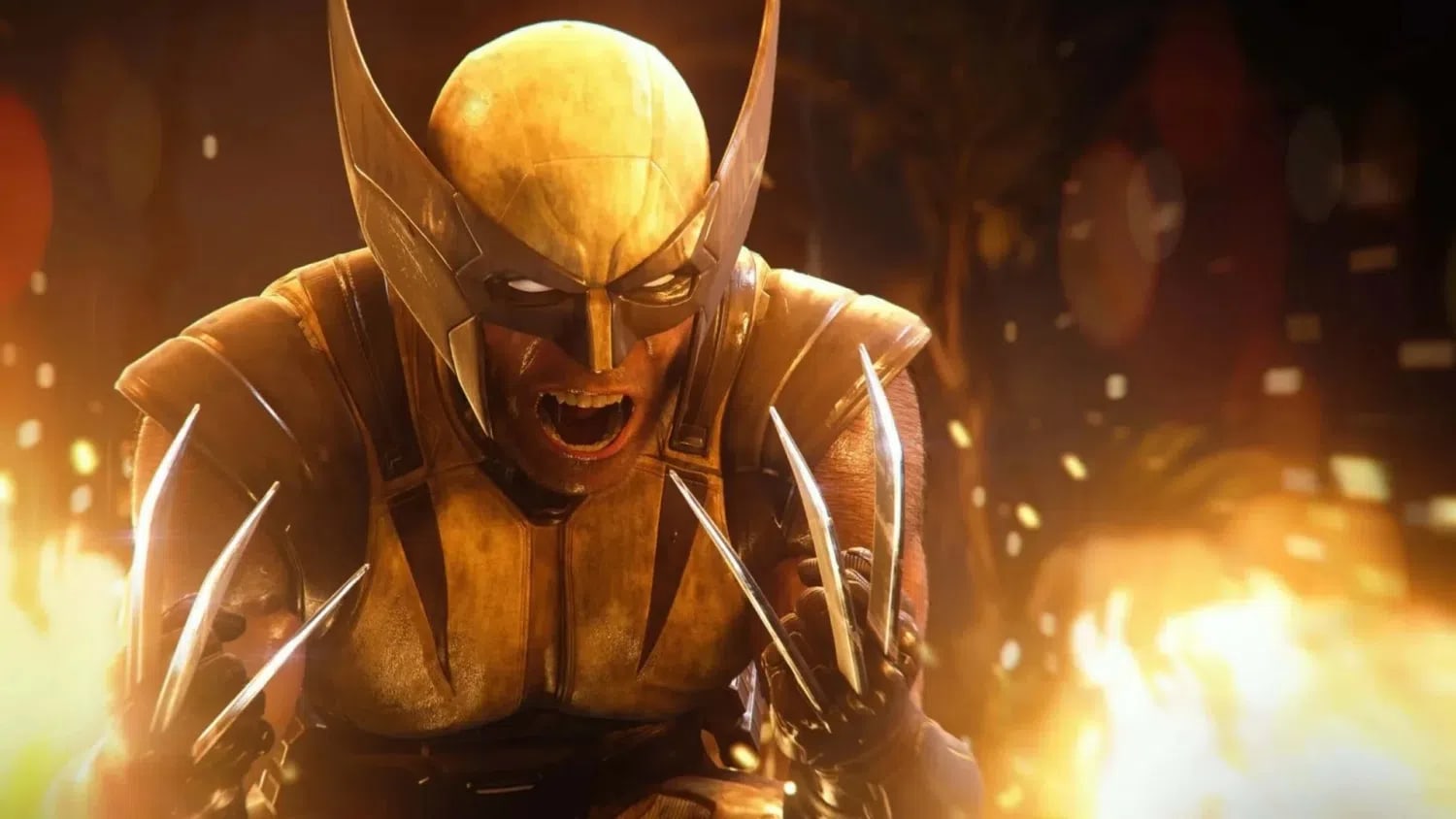
Fresh hands-on previews for Marvel's Wolverine dropped this week, roughly a month before the game's September 15 PlayStation 5 launch. Enhanced Senses let Wolverine track enemies from a distance and approach quietly, feeding into the character's predatory design.
Inside locations like the Princess Bar, the ability could pick up on conversation or music to guide Logan to specific rooms, or trail a teammate's scent to find where they've run off to. That sounds fine on paper. On screen, it looked different. A rooftop pursuit sequence showed Logan following a conspicuous glowing scent trail, and social media had opinions immediately.
The clip racked up millions of views on X within hours. Jokes about "Wolverine particles" spread fast, mocking what some viewers read as excessive hand-holding in a character action game. Others pointed out that the mechanic appeared contextual, tied specifically to a scent-tracking mission rather than general navigation. Previewers who played the build offered that clarification themselves. Still, the screenshot was already everywhere.
Fans Question the New Design
A second viral thread landed almost simultaneously.
Insomniac Games explained why Logan's suit in Marvel's Wolverine regenerates after fights, a detail fans noticed in trailers when his hero costume healed itself of combat damage. Mike Fitzgerald, Insomniac's head of technology, addressed it directly in an interview with IGN.
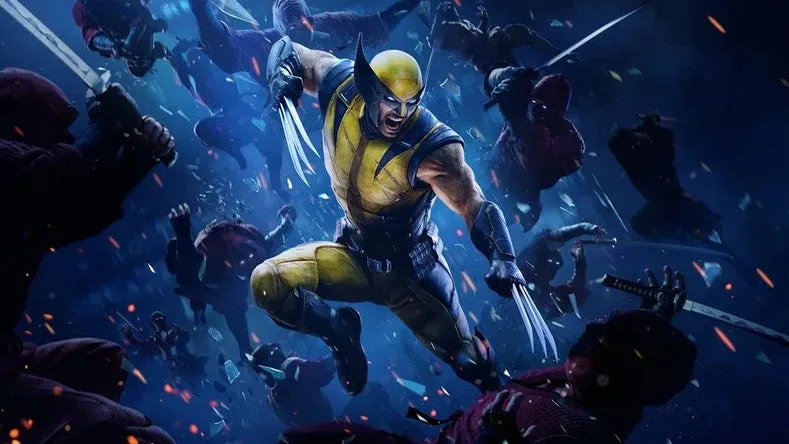
"You can't play through most of the game wearing just shredded rags on his body," Fitzgerald said, framing it as a practical design choice. The studio is looking for "the right balance between clothing that reflects the gameplay you're doing and this brutal combat," he added, "and then finding the right moments to have it restore itself so you get that right cinematic feel of Wolverine."
Fans initially theorized the self-healing suit might have a lore explanation, perhaps nanotech, but Insomniac settled the matter by explaining it was simply about keeping the superhero vibe intact. That answer did not sit well with everyone. And it led directly to the comparison that has been simmering for months.
Raven Software's X-Men Origins: Wolverine, released in 2009 as a movie tie-in, is one of those rare licensed games that outlived its source film. While the movie is often considered one of the worst adaptations of Wolverine, the game is received far differently, loosely basing itself on the film but taking events to an extreme degree with brutal, fluid, gore-filled action.
Logan himself would be torn to pieces as the player took damage, with bones and organs on display before his regeneration powers corrected the mess. The suit, crucially, did not snap back to pristine condition. Damage persisted. It told a visual story.
The 2009 Game Still Sets the Bar
Players want to see Logan's costume become increasingly battered as the game progresses. That desire isn't niche. If his body heals while his costume remains damaged, the visual communicates everything he endures. The 2009 game understood this instinctively, and a growing chorus of fans argues Insomniac's approach undermines one of Wolverine's most satisfying feedback loops.
Not everyone agrees, though. The debate is genuinely split.

Calling this a make-or-break issue may be exaggerating, especially when Insomniac is promising a narrative-driven single-player action game with brutal combat, stealth, exploration, and cinematic sequences. The studio still has time to clarify how suit regeneration works or even make changes after launch. Some fans have proposed a toggle, letting players choose between automatic repair and persistent damage. Others simply want a slider.
The scent trail controversy requires a different lens. Logan's superhuman tracking ability is core canon, not invention. The Enhanced Senses system lets Wolverine track enemies from a distance and approach quietly, producing "a combat system that does not feel like a Spider-Man reskin" but one "designed specifically around what it means to be someone who cannot be killed but can still be broken."
The concern is less about the mechanic's existence and more about its visual presentation. A luminous trail floating through a level carries echoes of every modern open-world GPS system players have grown tired of. Context matters, but screenshots strip context away. That is exactly what happened.
These two gripes share a root. Both suggest a game that prioritizes cinematic polish over the gritty, visceral texture fans associate with Wolverine. The 2009 game had rough edges everywhere. Frame rate dips. Repetitive enemy waves. A PS3-era budget. None of that mattered because its commitment to physical consequence felt total. Raven Software's game thrived in emulating Wolverine's character traits, particularly his regeneration power.

Every wound was visible. Every fight left a mark.
That game delivered the "cool body damage system, lunging, parrying, feral sense, and general combat you'd expect for this character," as one ResetEra thread put it this week, questioning whether Insomniac's version was offering anything fundamentally new. Others countered that the new game has AAA production values "as is expected for an Insomniac game," and that judging from limited preview footage is premature.
Marcus Smith and Mike Daly now lead development after replacing the game's original creative directors.
The pair previously collaborated on Ratchet & Clank: Rift Apart. Co-writer Walt Williams brings his own pedigree, having previously penned Spec Ops: The Line, a military shooter that became a landmark of game storytelling by using genre conventions to dissect the psychology of violence. That creative team suggests Insomniac is chasing something heavier than spectacle.
Early previews seem to back that up. Well-placed, semi-frequent mutant-gene inhibitors provide flashes of genuine vulnerability in combat, with death outside those moments explained as an "overwhelming" of Logan's healing factor.

Blood particle physics are dynamic, not canned effects: splatters land on Logan's body realistically, and walking through water washes them away, leaving bloody streaks behind. That is not a studio cutting corners on physicality.
Insomniac Has a Different Vision
So the comparison with the 2009 game gets some things right and some things wrong. It is right that persistent battle damage created a powerful visual language Raven Software stumbled into almost by accident. It is right that automatic costume repair risks flattening that language.
Where the comparison wobbles is in scope. X-Men Origins: Wolverine was a movie tie-in title. It had a narrow mandate and leaned into a single identity. Insomniac is building a full-scale narrative action game with stealth systems, build-crafting, open exploration, and ally mechanics. Different ambitions produce different trade-offs.

The scent trail issue is even simpler to resolve. If it is toggleable or limited to specific tracking missions, the outcry may fade once more footage surfaces. If it blankets the game, the "Wolverine particles" joke will outlive the launch window.
The September 15 release window is now just weeks away. Insomniac has weathered scrutiny before. Liam McIntyre's face model for Logan drew its own wave of criticism when it was first revealed, with the character's resemblance to the actor rubbing some fans the wrong way. That noise faded. Whether these latest concerns follow the same arc depends on what the final build delivers.
One thing is clear. Seventeen years later, a movie tie-in game made by Raven Software on a fraction of the budget remains the benchmark fans hold up when they talk about what a Wolverine game should feel like.
For Insomniac, that is both a compliment and a warning.
Check topics and authors from this story to see more stories like this in your personalized feed and receive updates when new work is published.