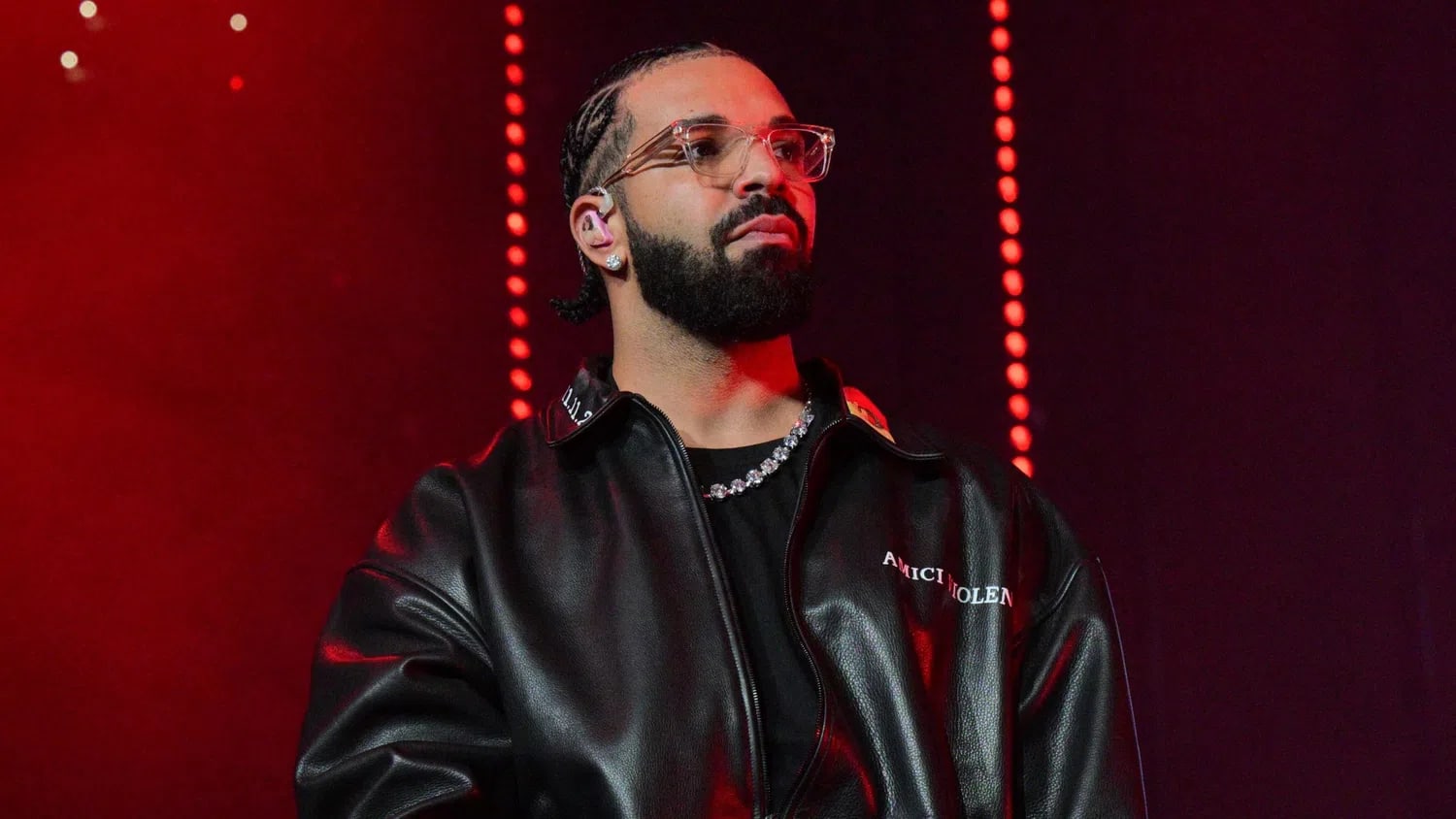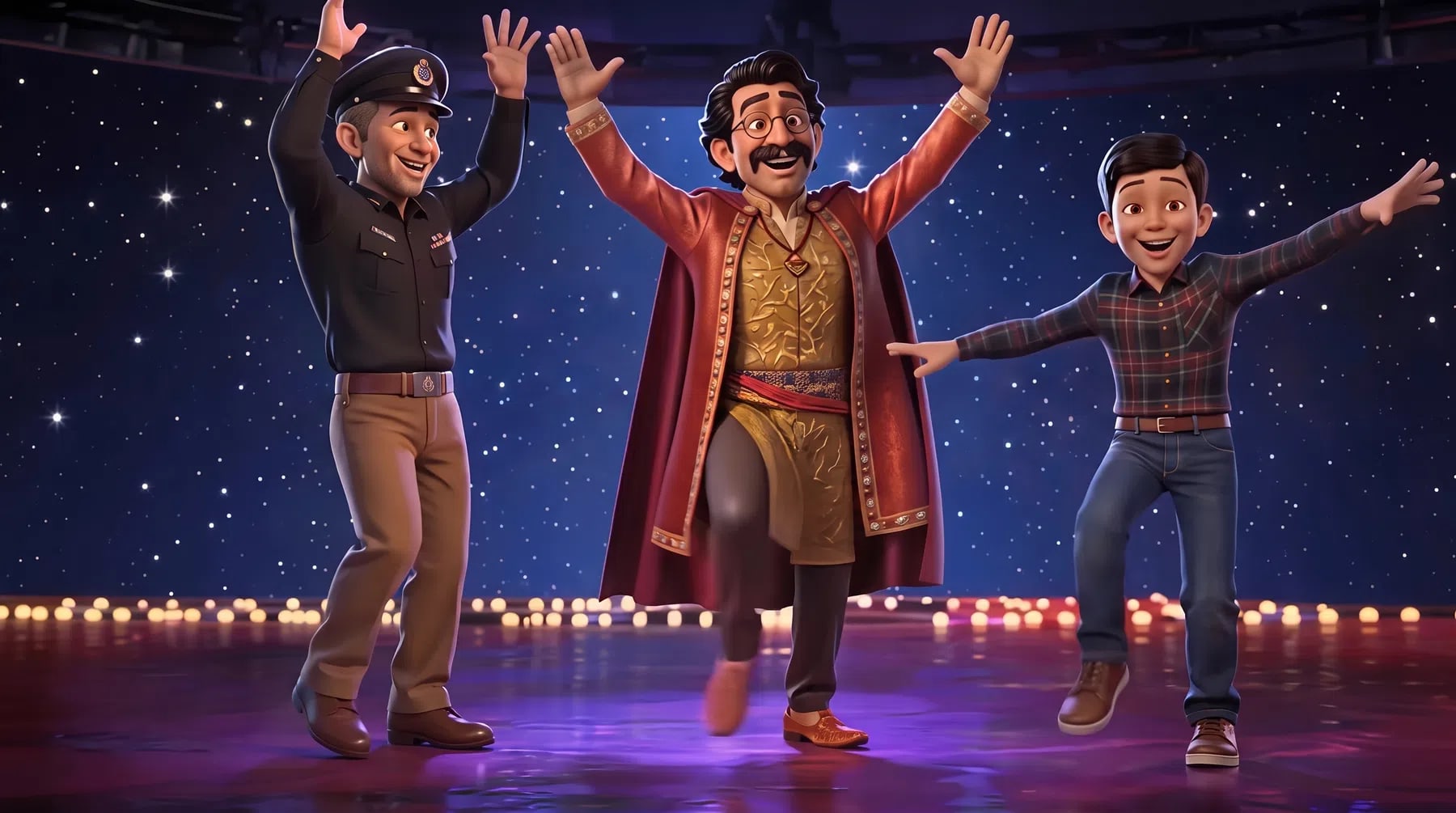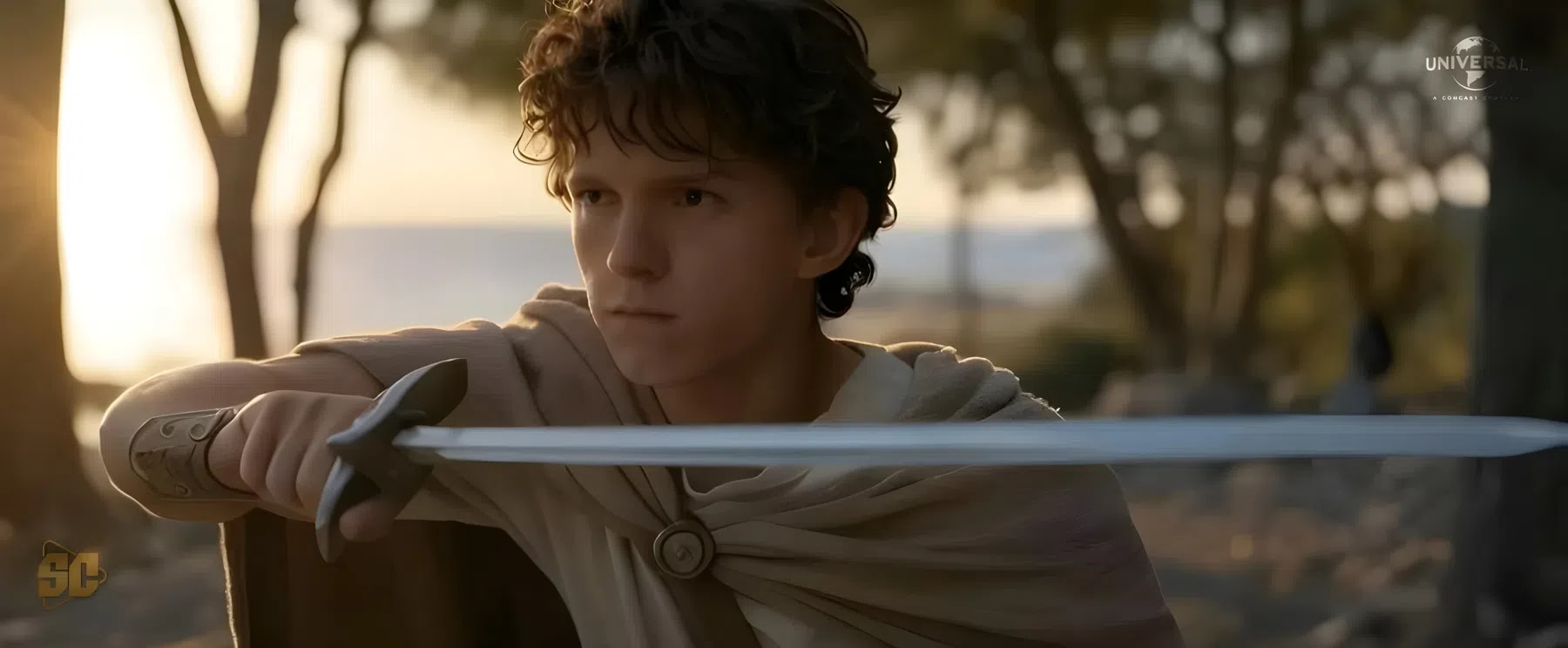

Generative video crossed a threshold this year that nobody in Hollywood can pretend to ignore.
Across YouTube, a new breed of fan-made content has exploded in recent months: full-length synthetic movie trailers built with advanced AI video generators and voice-cloning tools, featuring the faces and voices of real actors who never agreed to appear. YouTube has already terminated prominent channels like Screen Culture and KH Studio for producing fake AI trailers, but the supply keeps growing. Those two channels alone had amassed a combined audience of over two million subscribers before being shuttered in late 2025.
The latest wave is harder to dismiss. These aren't glitchy curiosities. Viral clips on X and Reddit now depict fabricated biopics and reboots starring synthetic likenesses of both living and deceased performers, drawing tens of millions of views in a matter of days. A recent AI-generated trailer for a live-action Princess Mononoke, for instance, sparked backlash after going viral on social media. Its creator, PJ Acetturo, CEO of FilmPort AI, claimed the trailer cost less than $100 to produce. It racked up more than four million views on X alone.
That's the tension in miniature. Cheap tools, massive reach, zero consent.
An AI-generated deepfake of the Stranger Things cast also went viral earlier this year, with one clip viewed more than 3.5 million times on X. A creator was able to make hyper-realistic versions of actors like Millie Bobby Brown mimic everything from facial expressions to hand gestures. Meanwhile, director Darren Aronofsky drew heat for using AI-generated characters in a YouTube history series, a move critics called jarring given his reputation for intensely human storytelling. The biopic Young Washington was slammed by audiences for allegedly deploying AI in its production, with one viewer posting bluntly: "Do NOT watch it."

Lawmakers are catching up, at least on paper. New York Governor Kathy Hochul signed the AI Transparency in Advertising Act, effective June 9, 2026, requiring advertisers to disclose AI-generated "synthetic performers." A companion law, the Posthumous Right of Publicity Expansion Act, became effective immediately upon enactment on December 11, 2025, mandating consent from heirs before a deceased person's likeness can be used commercially. At the federal level, the Senate Judiciary Committee unanimously advanced the NO FAKES Act on June 18, 2026, which would create a new intellectual property right giving every individual control over digital replicas of their voice and visual likeness.
Whether fan trailers on YouTube fall under those frameworks remains genuinely murky. Most are not monetized directly and carry no commercial endorsement. They sit in a gray zone between protected expression and unauthorized exploitation, and no court has drawn a clean boundary yet.
YouTube itself is walking its own tightrope. CEO Neal Mohan warned in his January 2026 letter that "it's becoming harder to detect what's real and what's AI-generated," calling deepfakes a critical concern. The company has since developed a likeness detection tool, initially opened to Hollywood talent and now available to anyone 18 and older on the platform.

At the same time, the company learned a quieter lesson about forcing AI on viewers. Last summer, YouTube ran an experiment stitching AI-selected video segments into slideshows to answer search queries, but the move was controversial because it pushed creators into the background. That version launched to U.S. Premium subscribers in June 2025, expanded in August, and then quietly vanished. Its successor, Ask YouTube, works differently: it breaks complex questions into simpler ones, fans them across existing search systems, and jumps to the exact moment in a video that answers the question. The AI writes only the connective tissue, and merging clips into a single AI-generated answer is now off the table.
The distinction matters. Viewers wanted human creators, not machine summaries. YouTube listened.
What comes next will likely be shaped by the NO FAKES Act's progress through the full Senate, by any early enforcement actions under New York's new statutes, and by whether platforms decide fan-made deepfake trailers cross the line from tribute into infringement.
For now, the trailers keep going viral, the legal tools keep arriving late, and millions of people keep clicking play on performances that never happened.
Check topics and authors from this story to see more stories like this in your personalized feed and receive updates when new work is published.