
Somewhere between algorithmic stardom and financial freefall, the creator economy keeps losing people through the same trapdoor.
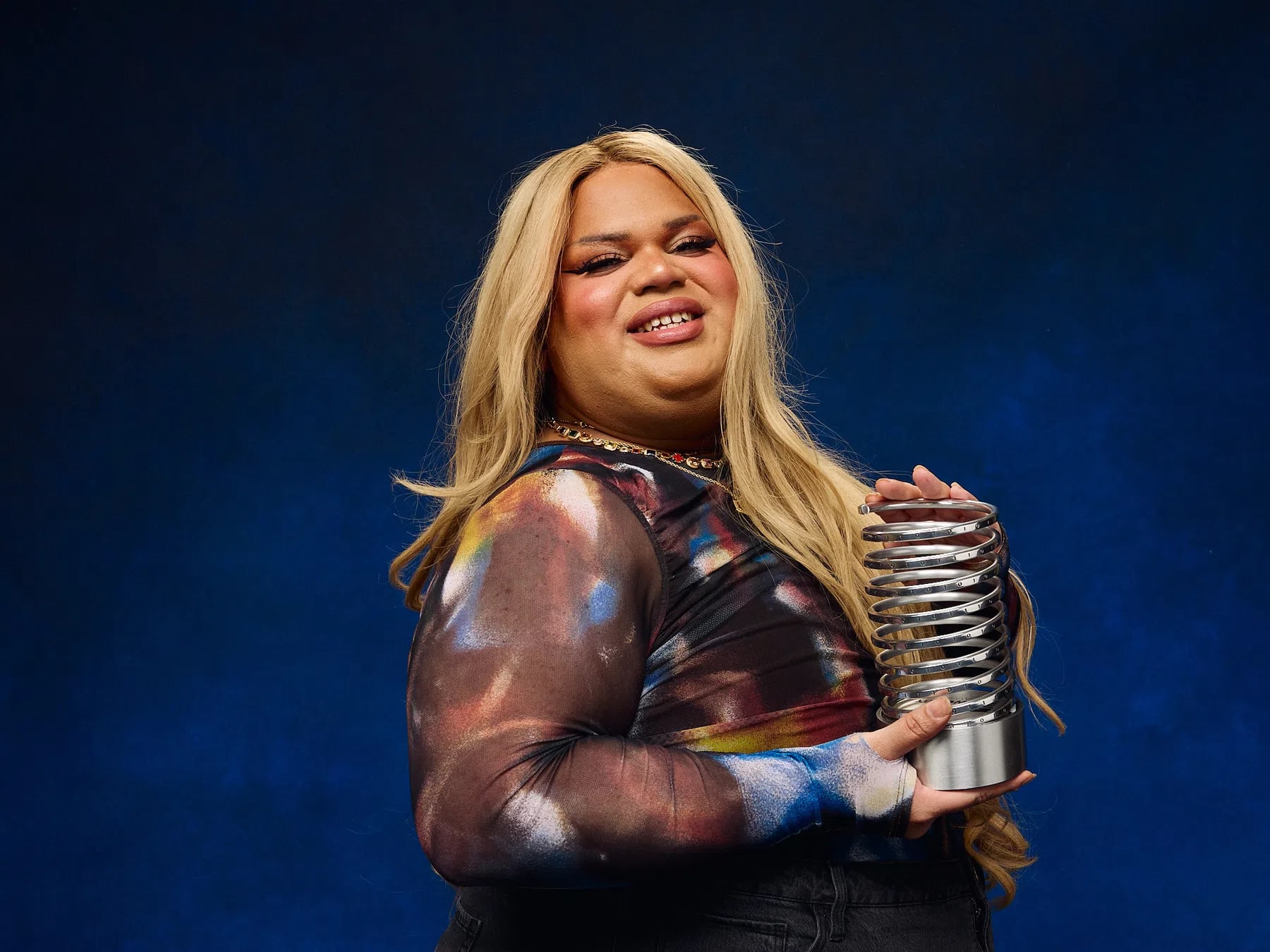
Jools Lebron, the trans Latina TikToker who turned a parking-lot makeup video into a global catchphrase in August 2024, launched a $45,000 GoFundMe on Saturday seeking help for dental reconstruction surgery.
In a nearly five-minute video posted to her account, she revealed that her teeth were "rotting" after severe damage caused by a period of substance abuse she has publicly discussed. She called the situation "embarrassing," broke down in tears, and admitted she didn't know where else to turn.
The response was swift and brutal. Countless users voiced disappointment, and hundreds of reaction videos flooded TikTok and X within hours.
Critics zeroed in on her previous comments about getting a "regular job" and called the campaign tone-deaf. The core complaint was simple: Lebron had publicly disclosed earning enormous sums during her viral peak.

On The Tamron Hall Show earlier this year, she confirmed that brand deals arrived just two weeks after going viral, with payouts running "$45,000 for a video, $80,000 for a video." Verizon, Lyft, and other major companies had scrambled to partner with her at the height of the trend.
So where did the money go? By her own account, the overnight fame and flood of cash sent her into a substance abuse spiral that derailed her life. She has also said she used a portion of her viral earnings to support her family. On her podcast, Very Demure, she alleged that at least one beauty brand flew her to New York at the height of her fame and never paid her. The picture that emerges is messier than the backlash allowed for.
Within hours, Lebron posted a three-second clip confirming the GoFundMe was deleted: "Everyone's been issued a refund." In a follow-up caption, she wrote: "I think I have to officially let TikTok go. I think that I am fooling myself that this algorithm will ever favor me." She described her mental state as "some kind of mental break."

Defenders pushed back on the pile-on, arguing that TikTok virality is far more unstable than it looks from the outside and that a single viral moment does not guarantee sustained income. That argument holds weight. Lebron was working as a cashier at Mariano's in Illinois before the trend hit. She used the earnings to fund her gender transition. Dictionary.com named "demure" its word of the year for 2024.
None of that came with a pension.
The uncomfortable truth sitting under this entire saga is structural. TikTok's creator fund pays fractions of a cent per view. Brand deals spike and vanish. There is no residual income, no union, no safety net.
A creator can be culturally ubiquitous in August and financially invisible by December. Viral fame on the platform comes without a salary, a benefits package, or any guarantee that momentum will last long enough to build something sustainable.
Lebron herself seemed to name this in her final video, saying she's "clearly having some kind of mental break" and that chasing the same recognition she had during Very Demure is no longer "healthy." Whether she returns to content creation or not, her story is already the most vivid case study this year in what happens after the algorithm moves on.
Not very demure. Painfully real.
Check topics and authors from this story to see more stories like this in your personalized feed and receive updates when new work is published.


