Barely a week after Ariana Grande announced she was stepping away from public life because of relentless body scrutiny, a new name landed in the same conversation.
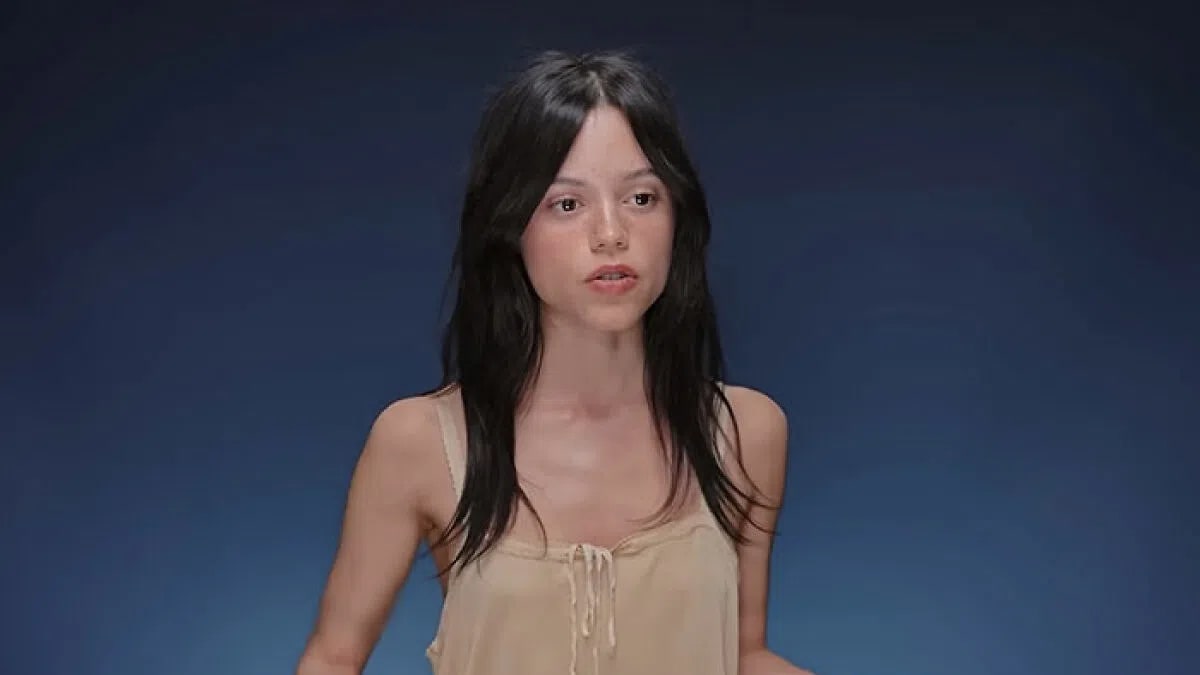
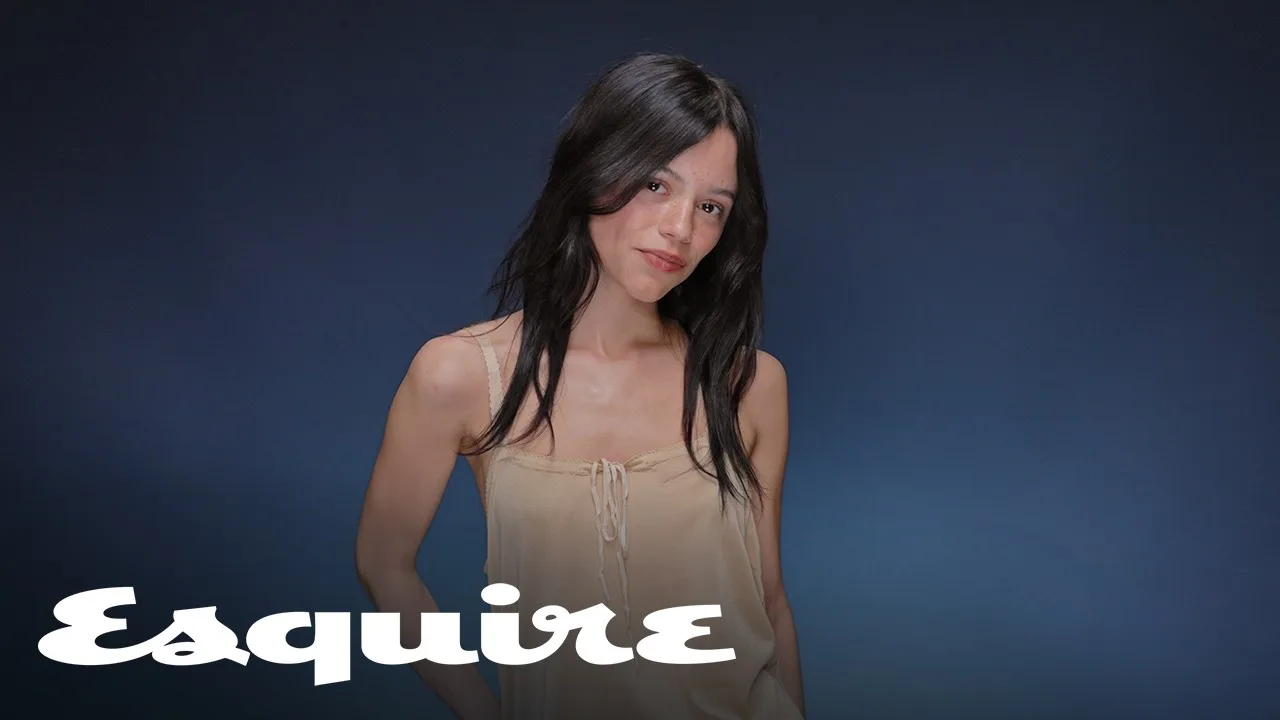
Jenna Ortega appeared in Esquire's digital series How I Got Here, sitting down to discuss her trajectory from child performer to international star. Instead of focusing on her professional milestones, millions of viewers across X and TikTok shifted attention to her visibly slender frame.
Side-by-side comparisons with older photos spread fast. Health concerns piled up, drawing immediate parallels to Grande.

Then a clip surfaced that turned a looks-based reaction into something harder to dismiss.
"I wasn't asking for a sip of water. I would go all day without eating, drinking, whatever, because I wanted so badly to not be in the way of anybody," Ortega told Esquire, recalling her earliest years on set. She added: "Maybe that was my mistake, was not actually looking after myself." Ortega was seven when she first told her parents she wanted to act.
Her breakout as the lead of Disney Channel's Stuck in the Middle came in 2016, when she was 13.
That admission reframed everything. What started as strangers evaluating a 23-year-old's body became a broader reckoning with how child performers are conditioned to shrink themselves, literally and figuratively, to survive on set.
Grande had attempted something similar in 2023, posting a TikTok in which she told viewers that "the body you're comparing my current body to was the unhealthiest version of my body." She urged people to be "gentler, and less comfortable commenting on people's bodies, no matter what."

Three years later, after her Petal music video lit up social media with criticism of how thin she looked, mental health clinicians said they were flooded with calls from eating disorder patients. Grande then announced she would be "taking a step back from visibility."
Ortega now occupies the exact same crossfire. Critics of the backlash have pointed out that describing a celebrity as unhealthy without medical evidence can turn supposed concern into just another form of body scrutiny. Nothing in the online discussion establishes that Ortega has lost weight, has an eating disorder, or is facing any health issue. She has not offered any public stance on the controversy.
But the uproar keeps expanding because it taps into a much larger unease. Across the 2026 awards season, a distinct physical shift has emerged on red carpets: sharper silhouettes, narrower frames, and a return to extreme thinness that feels sharply different from recent body-positive narratives. The conversation has centered on what many call the "Ozempic body 2026," referencing rapid, visible weight loss tied to GLP-1 medications originally developed for diabetes management.
Demi Moore, Emma Stone, and Nicole Kidman have all been named in this conversation. None have confirmed use.

The timing is pointed. On June 11, the UK became the first country to authorize a tablet form of semaglutide for weight management, and on August 10, one day before Ortega's interview was published, British regulators authorized Eli Lilly's once-daily orforglipron pill. Access to these drugs is only accelerating.
Jameela Jamil recently criticized what she called "scarily thin" appearances at the BAFTAs, drawing attention to how fast the visual standard is shifting. Clinicians have warned that repeated media attention to a celebrity's body can reinforce body surveillance and social comparison, both of which maintain eating disorder symptoms.
Ortega's next project, Taika Waititi's adaptation of Klara and the Sun, will bring her back into a press cycle soon enough. She has described the biggest challenge of the process as "not really having any idea of what it was gonna look like" when the film was complete.
The same might apply to this debate. It keeps shapeshifting. And nobody seems sure where it lands.
Check topics and authors from this story to see more stories like this in your personalized feed and receive updates when new work is published.


