
Few murder cases in recent Hollywood memory have pulled in as many unexpected voices as this one.
Eric Idle made no effort to hide where he stands on Nick Reiner's legal push to access $558,000 from a family trust fund to pay for his murder defense. Nick has pleaded not guilty to two counts of first-degree murder in his parents' deaths and has been fighting for access to the trust money, which he says he needs to pay for a private defense attorney.
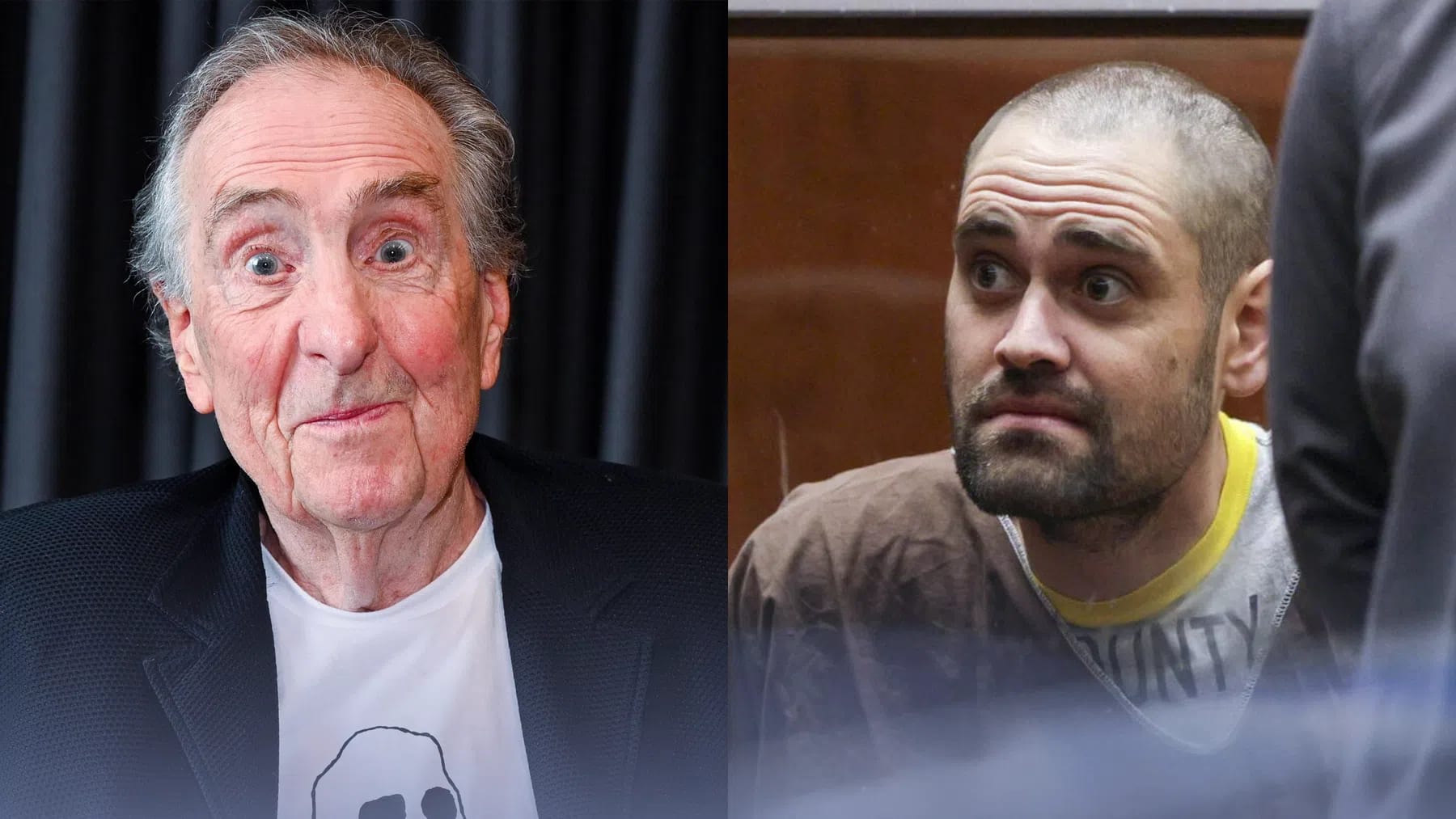
Caught on camera by TMZ in New York City on September 29, the Monty Python comedian was asked how he felt about the trust fund dispute. His answer was short and unambiguous. "I was the last man probably to talk to his father, so I have no sympathy," Idle said. The 83-year-old English comedian and actor is best known as a member of the British comedy group Monty Python.
The personal weight behind that statement is real. Idle wrote on X on the morning of December 15, 2025, that he had spoken with Rob Reiner just hours before Rob and his wife Michele Reiner were found dead by apparent homicide inside their California home. During the conversation, the two discussed Reiner's experience filming scenes for the mockumentary sequel Spinal Tap II: The End Continues, among other topics.

"Rob Reiner was a lovely man," Idle wrote. "I spoke to him last night for over an hour. I always enjoyed his company. I met him at his Dad's in 1975. He was telling me about [filming] at Stonehenge and his thoughts for the future. This is so awful."
Idle met Rob Reiner at Carl Reiner's residence in 1975. Carl, who died in 2020, was an accomplished actor and filmmaker in his own right. That five-decade friendship is now at the center of a story that has moved from grief to courtroom combat faster than most expected.
Rob Reiner, a celebrated director and actor, and his wife Michele, a photographer and producer, were stabbed to death in their California home on December 14, 2025. Hours later, their son Nick Reiner was arrested. According to multiple sources who spoke to family members, the couple were killed by their son Nick, and their bodies were discovered by their daughter Romy.
Nick was indicted on murder charges on July 20. He has pleaded not guilty. The grand jury indictment included a "lying in wait" allegation, meaning prosecutors alleged Reiner planned and ambushed his parents rather than acting in a sudden rage. That allegation made him eligible for the death penalty, though prosecutors initially had not decided whether to seek it.

That decision was eventually made. Shortly before the September 15 pretrial hearing, Los Angeles County District Attorney Nathan J. Hochman took the death penalty off the table, citing input from Nick's siblings. Nick is expected back in criminal court on October 7.
Running alongside the criminal case is a separate civil fight over money. While the criminal charges remain unresolved, the dispute has opened an entirely separate legal battle over whether Nick can receive money that was created for his benefit decades ago. According to court filings, he petitioned for access to the trust in June, arguing that he needs the money to pay legal fees, court costs, and everyday expenses while in custody.
The trust's structure includes a $558,000 age-30 distribution, which Nick's lawyers argue was due before his parents' deaths. The trust was established by his parents in 1993 and was designed to provide distributions at specific ages. Nick claims he should have already received part of those funds when he turned 30. Trustees have refused to release the money, saying the ongoing murder case makes the situation far more complicated.

The legal mechanism they're relying on is California's so-called Slayer Statute. The appointed fiduciary overseeing the fund denied Nick access, arguing that doing so would violate the state law, which prohibits a person from financially benefiting from the will or trust of someone they "feloniously and intentionally" kill. Court documents show professional fiduciary Jodi Pais Montgomery formally opposed Nick's petition to tap the trust fund, invoking California Probate Code Section 250.
Nick's legal team has pushed back with a specific and pointed counterargument. His attorneys have highlighted that $325,000 of the trust is allegedly derived from his grandfather Carl Reiner's estate, which they claim is not money received from or through his parents.
This distinction, they argue, makes those funds exempt from the Slayer Statute. Trustees have spent at least $250,000 of the trust to defend their position in court, according to Nick's attorneys.
It is also worth noting that the private defense counsel Nick originally retained is no longer in the picture. Alan Jackson, who previously defended Kevin Spacey, Harvey Weinstein, and Karen Read, had been serving as Nick's attorney. Jackson withdrew from the double murder case when Nick appeared in court for arraignment, and deputy public defender Kimberly Greene took over his defense.
Outside court, Jackson said he was not ethically permitted to explain the full reasons for his departure, attributing it to "circumstances beyond our control, and more importantly, circumstances beyond Nick's control."
Nick seeking to reactivate a private legal team through the trust fund dispute makes that backstory directly relevant. A hearing over whether Nick can access money from his trust fund for his defense has been continued until October. At a recent hearing, Nick's civil attorney Anita Wu asked Judge Ruben Garcia for a Breslin order, which forces beneficiaries into private mediation. Garcia scheduled a hearing for October 23.
For Idle, none of the legal maneuvering changes the fundamental reality of what happened. He knew Rob Reiner for half a century, spoke to him about the future the night before he died, and is now watching his son argue in court over who should pay for his defense. The Monty Python veteran offered two words on that.
No sympathy.
Check topics and authors from this story to see more stories like this in your personalized feed and receive updates when new work is published.


