
Debates over what can and cannot be said on American campuses have grown only sharper since late 2023, but few recent cases have crystallized as quickly as this one.
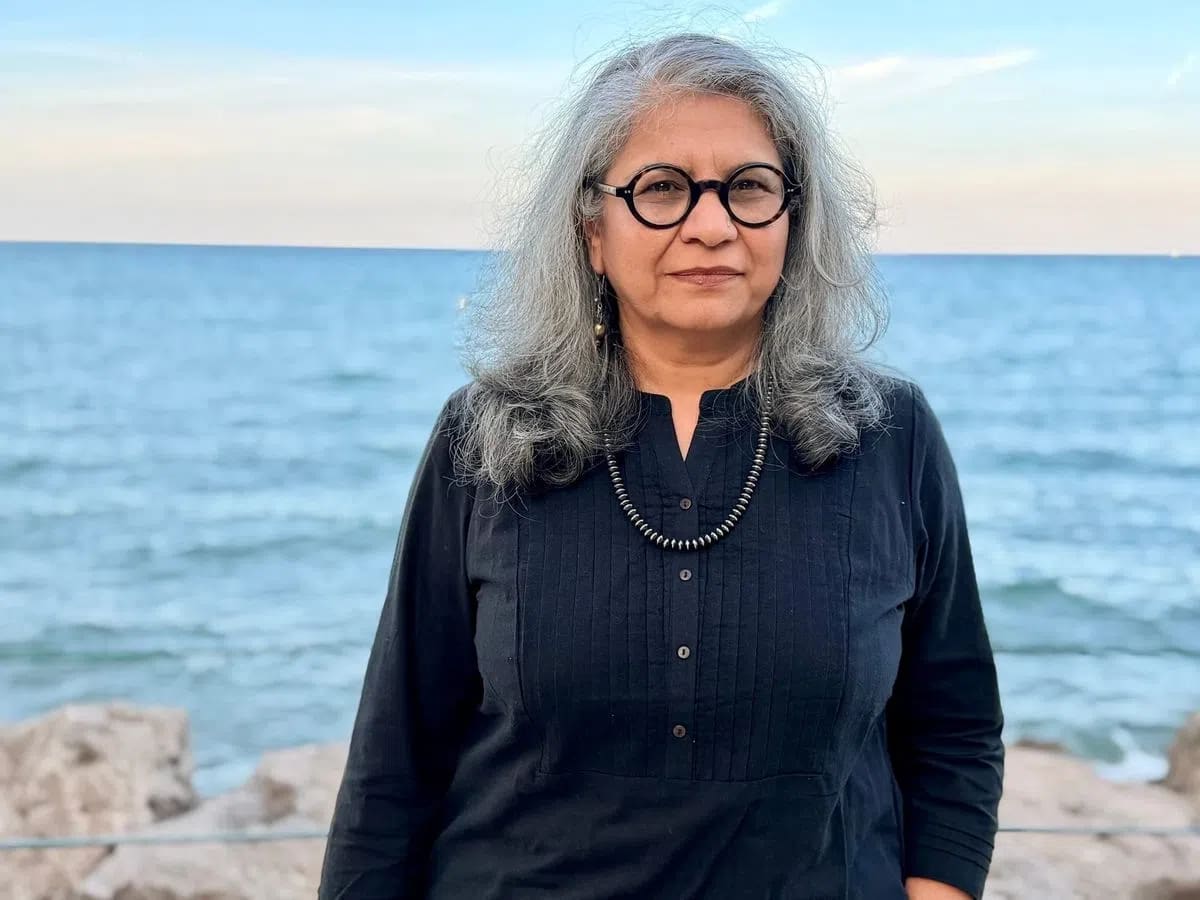
The School of the Art Institute of Chicago placed the director of its graduate art therapy program, Savneet Talwar, on leave after she assigned students a case study analyzing a hypothetical client who was "deeply affected by the violence against Palestinian civilians." Talwar is a tenured faculty member, program chair, published scholar, and practicing art therapist with three decades of experience at SAIC. Now more than 400 members of the school's community are calling for her reinstatement, turning an internal campus dispute into one of the year's most closely watched academic-freedom confrontations.
The sequence of events moved fast. On April 16, Talwar asked six students enrolled in her Cultural Dimensions in Art Therapy course to create a mock treatment plan for a queer Arab woman who sympathized with pro-Palestinian protests. The two-page assignment mentioned that the woman "felt deeply affected by the violence against Palestinian civilians," but it contained no additional references to Palestine and no mention of Israel.
Within days, Talwar received a phone call from the dean of the faculty asking whether she had assigned "anything with Palestine in it." On April 20, SAIC Provost Martin Berger told Talwar she would be placed on leave, claiming that her "alleged actions threaten immediate harm to the student or to others within our community." She was barred from discussing the matter with students or colleagues. Course material was pulled from the online platform.

According to school documentation, the complaining student was an Israeli enrolled in the same program. Talwar said she had initially heard from her dean that an external Jewish group had contacted SAIC president Jiseon Lee Isbara with concerns about the assignment. Conflicting accounts of how the complaint originated have deepened skepticism among faculty.
"We call it the 'P-word' now," Talwar told the Guardian. She told Hyperallergic that, as an art therapy educator, she is responsible for instructing students on ethical standards that prohibit therapists from denying services based on race, religion, or nationality.
The response from civil-liberties and academic organizations has been swift. PEN America criticized SAIC's actions, noting that Talwar, a tenured professor and department chair, was put on leave after a student complained about a mock case study referencing violence against Palestinians. The Middle East Studies Association wrote to SAIC's administration expressing concern that the suspension was carried out on "dubious grounds" and without appropriate due process. The Illinois conference of the AAUP sent its own letter addressing Talwar's academic freedom.
Steve Macek of the AAUP told Inside Higher Ed that "an administration should almost never remove a faculty member from a classroom." He called the decision "an appalling violation."
CAIR-Chicago also condemned the suspension. The organization called the case part of a broader "weaponization of antisemitism allegations against educators and students who speak up for Palestinian human rights."
Talwar's attorney, Rima Kapitan, sent a letter to SAIC's general counsel requesting that the complaint be dismissed. Kapitan wrote: "Are SAIC faculty expected to ethnically cleanse Palestinians from their course materials? Are Arab Muslims unworthy of their own case studies?"
SAIC previously placed lecturer Kelly Xi on administrative leave for using school printing resources to produce advertisements for a student-curated exhibition that included calls for divestment from Israel. That earlier episode established a pattern critics say now appears institutional.
A spokesperson for SAIC declined to comment on personnel matters, saying only that the school was committed "to learning environments in which ideas are freely exchanged."
Talwar filed a complaint with the Illinois Department of Human Rights on June 9. In mid-May, she received another email further expanding the grounds on which she was being investigated. Whether the growing public pressure and organizational scrutiny compel SAIC to reverse course remains an open question. For now, the case has become a litmus test for how far an American art school will go to police a single reference to Palestinian suffering in a clinical classroom exercise.
Check topics and authors from this story to see more stories like this in your personalized feed and receive updates when new work is published.