
Few disputes in online fan culture cut as sharply as the collision between anime aesthetics and real-world body politics.
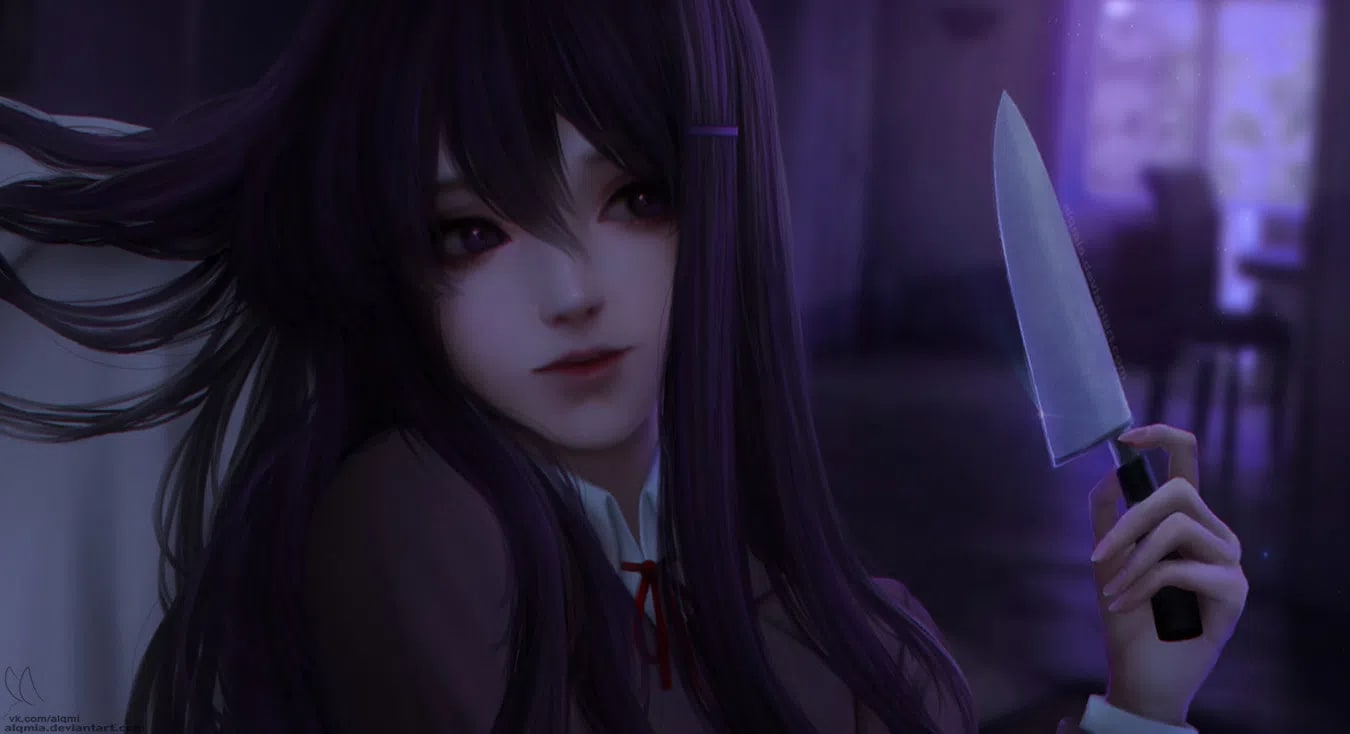
In early July 2026, a fresh eruption arrived when fan artist Lalato posted highly rendered, semi-realistic portraits of the Doki Doki Literature Club cast that departed from strict anime convention. The pile-on was swift and cross-platform, with debate videos amassing hundreds of thousands of likes on TikTok alone. Reaction clips and "redrawing" challenges soon followed on X and YouTube, pulling millions of viewers into a dispute that is, at its root, about who gets to decide how fictional women should look.
The Game Behind the Storm
Doki Doki Literature Club was developed by American independent studio Team Salvato over roughly two years, led by Dan Salvato, previously known for modding work in the Super Smash Bros. scene. Salvato was inspired to create a visual novel by his "love-hate relationship" with anime, emphasizing the abundant use of clichés in the genre and frequent plots centering around "cute girls doing cute things."
Released as freeware in September 2017, the game initially reads like a cheerful dating simulator. In truth, it is a metafictional psychological horror game that extensively breaks the fourth wall, and it has amassed over 20 million downloads.
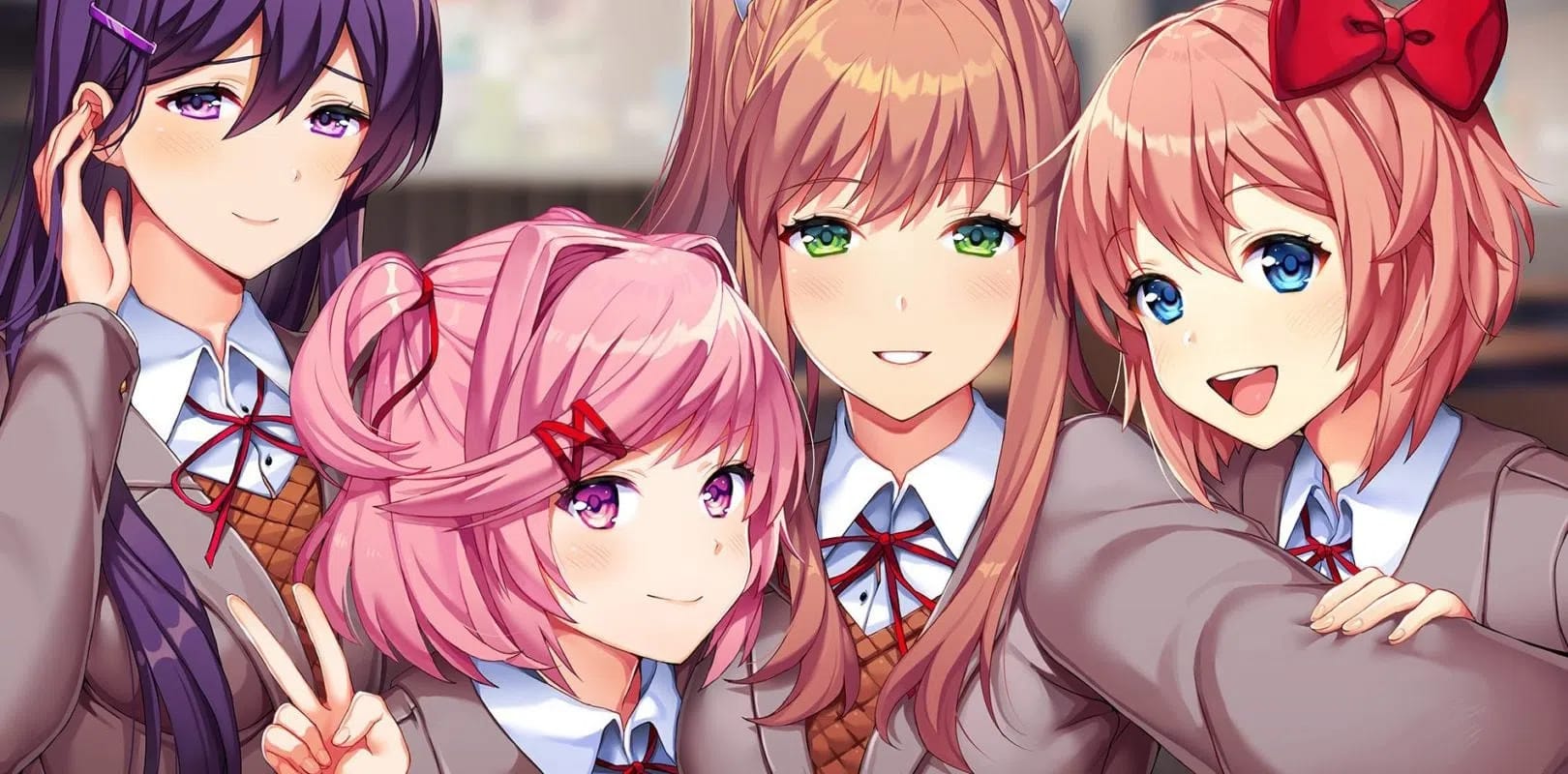
Its four central characters, Sayori, Natsuki, Yuri, and Monika, are drawn in a stylized anime register that deliberately leans into genre tropes. That visual identity, sugary and deliberate, is precisely what makes Lalato's reinterpretation so volatile.
What Lalato Actually Did
Lalato's portraits gave each character rounder faces, visible noses, and proportions closer to actual human anatomy. Supporters noted the artist uses their own face as a reference. Critics, however, called the characters masculine simply because they had "stronger features" and were "less exaggeratedly feminine."
On X, one user described the treatment of Lalato as "sickening," writing: "Leave this teenager alone you freaks." A viral TikTok post defended the art, urging fans to "GET A GRIP" and insisting the artist did not deserve the hate. Comments were soon disabled on several posts. Other creators joined in solidarity, using their own faces as reference to recreate Lalato's versions.
A parallel flashpoint involved Melalato, another fan artist whose stylized interpretations provoked similar hostility. The two controversies fed each other, accelerating the cycle of reaction content.
The "Fixing" Problem
At the center of the backlash sits a particular genre of response video: the "fix." Creators post side-by-side comparisons where they alter Lalato's work back toward conventional anime proportions, enlarging eyes, thinning jaws, softening features. The language of correction is telling. It frames realism itself as a deficiency.
Defenders of the realistic approach point out that rounder faces, visible noses, and less exaggerated proportions are simply closer to how actual teenagers look. Opponents frame such departures as ideologically motivated attacks on the original designs.
One TikTok creator offered a more measured assessment, suggesting that "the 'problem' isn't the eyebrows, the noses, or the expressions" but rather how shading and proportions shift perception, noting that "a tiny brushstroke can make a huge difference." That observation gets closer to something art criticism has long understood: rendering technique shapes a viewer's reading of gender, age, and attractiveness in ways that are culturally conditioned, not objective.
A Game Built on Subversion
There is a deep irony in fans policing the visual fidelity of Doki Doki Literature Club, a game whose entire thesis involves dismantling the player's assumptions about genre. Salvato has spoken about wanting to incorporate his understanding of Western anime culture, saying, "I wanted DDLC to invite players to not take it seriously, and then use that mindset against them by forcing them to rethink their relationship with fiction."
Salvato himself has reacted positively to fan-made mods, stating that "thanks to the Ren'Py engine, DDLC is excellent and highly accessible for modding, something we hope continues for years to come." A game designed to be remixed, in other words, now has a fandom punishing remixing.
At Anime Expo 2026, Salvato presented a panel on character writing, discussing how "real human imperfection can be applied to simple character designs in order to bring out their most lovable traits."
The timing feels almost uncanny. While the creator was in Los Angeles explaining the emotional depth of imperfection, his fandom was tearing itself apart over portraits that dared to show imperfect faces.
What Stays After the Noise Fades
The fallout carries consequences beyond one fandom, as young artists watching this unfold learn a disheartening lesson about what happens when creative experimentation meets entrenched online tribalism. Same-face syndrome, the tendency to draw every character with identical proportions, has been a persistent critique within anime fan communities for years. Lalato's portraits challenged that convention directly and paid the price.
The dispute also raises practical questions for digital artists working in fan spaces. When the "fixing" trend turns an artist's personal style into raw material for public ridicule, the chilling effect is real.
Several creators have already disabled comments or withdrawn posts.
What remains is a version of a very old argument dressed in new technology. Who controls the image of a fictional character? Is fan art interpretation or replication? And when a teenager uses their own face to imagine a beloved character and gets bullied for it, what exactly is the fandom protecting?
Neither side shows signs of backing down. But the conversation itself, messy and often cruel, has exposed a fault line in how online communities negotiate beauty, femininity, and the boundaries of creative license.
That crack was always there. Lalato just made it visible.
Check topics and authors from this story to see more stories like this in your personalized feed and receive updates when new work is published.


