In a country where over 250,000 content creators now jostle for attention across digital platforms, even the smallest design choice can ignite real discourse.
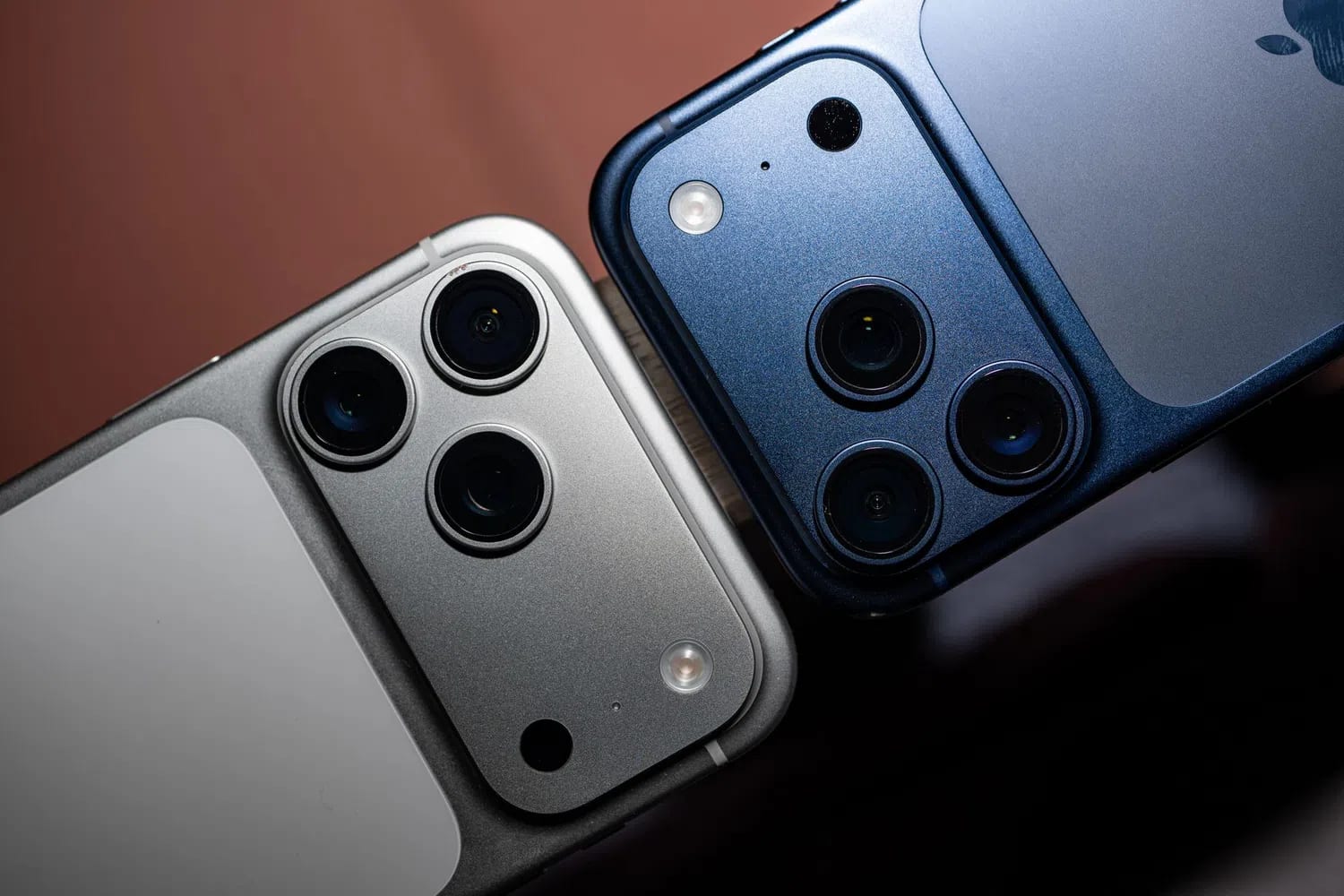
That played out vividly over the weekend when Nigerian trader and creator Bolapsd posted a red MagSafe-compatible iPhone 17 Pro Max phone case mockup. Clean lines, a simple logo, no flourish. It was streetwear minimalism in its most distilled form, and the response split sharply.
Fellow trader Cyphrr (known for username @i_cyphrr) fired back almost immediately. The critique was blunt: too safe, not creative enough. Rather than leave it at words, the account shared bolder counter-mockups built in Adobe Express, featuring tighter alignment and more ambitious visual impact. What could have been a forgettable exchange between two small accounts instead became a genuine thread of debate, pulling in other voices, alternate takes, and Stussy-inspired variations from onlookers weighing in on how much effort a product presentation should actually demand.
Nigeria's creative sector is currently valued at over $9 billion, encompassing music, film, design, and digital content. The country's National Information Technology Development Agency (NITDA) has projected that the broader creative economy could surpass $13 billion in the coming years. Just days earlier, EU Ambassador Gautier Mignot described Nigeria's large youth population and fast-growing innovation ecosystem as a natural advantage in shaping Africa's digital future. Against that backdrop, a seemingly minor disagreement between two indie creators carries a very different weight.
Labels like Ashluxe have already built cult followings rivaling international hype brands among Lagos's style-forward youth. Streetwear's footprint in the country keeps expanding. Young Nigerian designers are converting traditional heritage into striking, modern streetwear that draws attention domestically and internationally. So when debates about design quality spill onto timelines, they tap into something bigger than any single phone case.
Public reaction to the Bolapsd mockup remained split. Some users defended the restraint, arguing that clean branding needs no apology. Others sided with Cyphrr's position, treating low-effort presentation as a missed opportunity in an increasingly crowded marketplace. A handful of commenters introduced their own concepts, leaning into bolder, logo-heavy aesthetics.
Nigeria's digital economy is witnessing explosive growth, with more than 250,000 active content creators now shaping consumer behavior and driving online conversations through the fast-growing creator economy. That volume makes every design thread a proving ground. No brand statements accompanied the exchange. It stayed organic, peer-to-peer, and unresolved. Which, for a creative scene this alive, might be exactly the point.
Check topics and authors from this story to see more stories like this in your personalized feed and receive updates when new work is published.