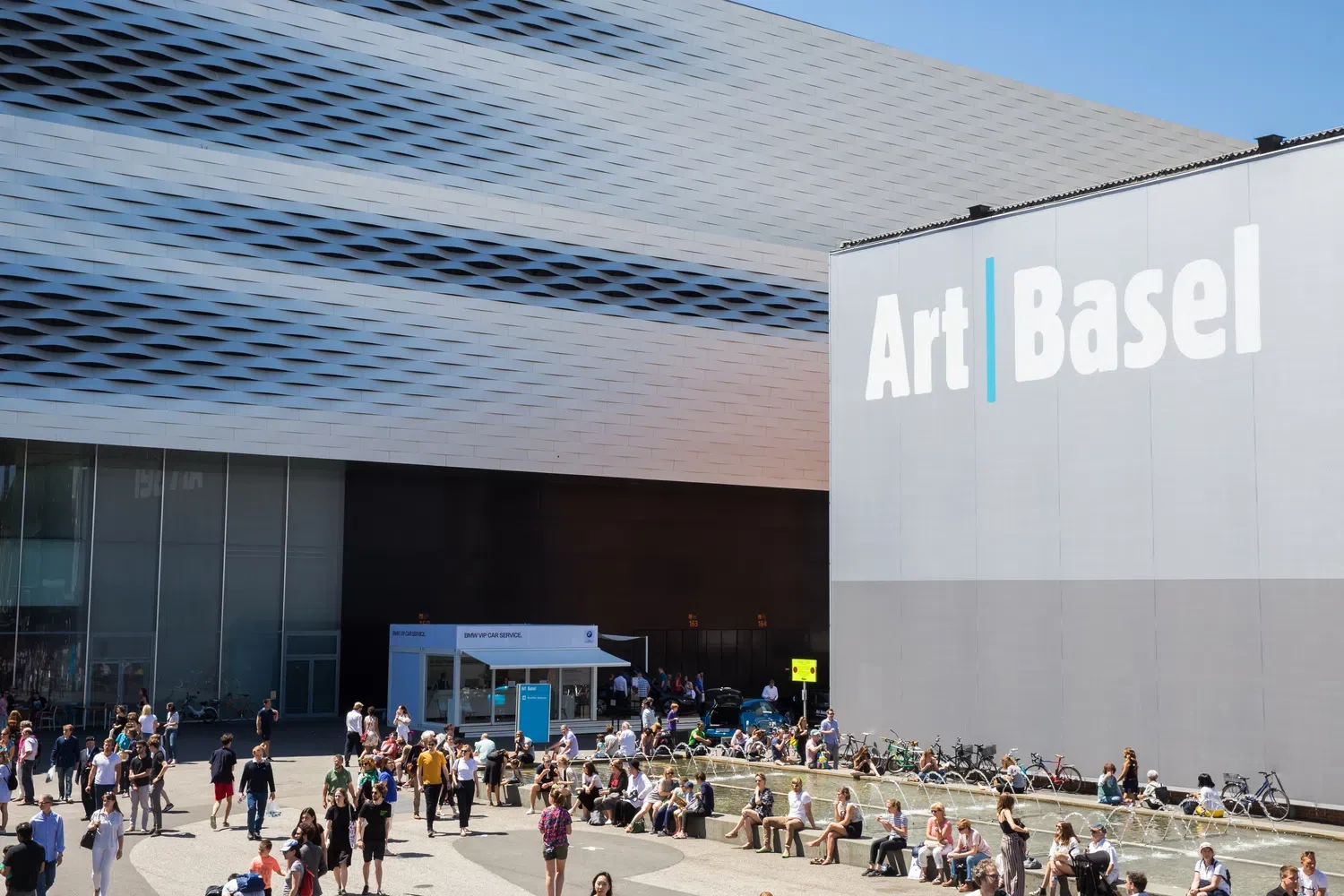

The art market entered the summer of 2025 already bruised. Ahead of Art Basel's flagship Basel fair in June, the Financial Times ran a headline declaring that "only the spectacular will do," a line that underscored the pressure on galleries operating within a volatile market marked by high prices and reportedly fewer buyers. The fair opened within weeks of Pace Gallery's major downsizing, and several prominent galleries, including Tim Blum's Los Angeles and Tokyo spaces and Nice's Air de Paris, had already shuttered.
The broader market had registered a modest directional shift, but it was still operating in a volatile geopolitical environment, particularly regarding cross-border trade, the full implications of which were still unfolding. Against that backdrop, the question facing exhibitors at the Messe Basel was not only what to show, but how.
Among the 21 newcomers, the approach, as told to Hyperallergic, was far more nuanced than headlines would suggest. For most, the answer was not spectacle, but rather laser focus.
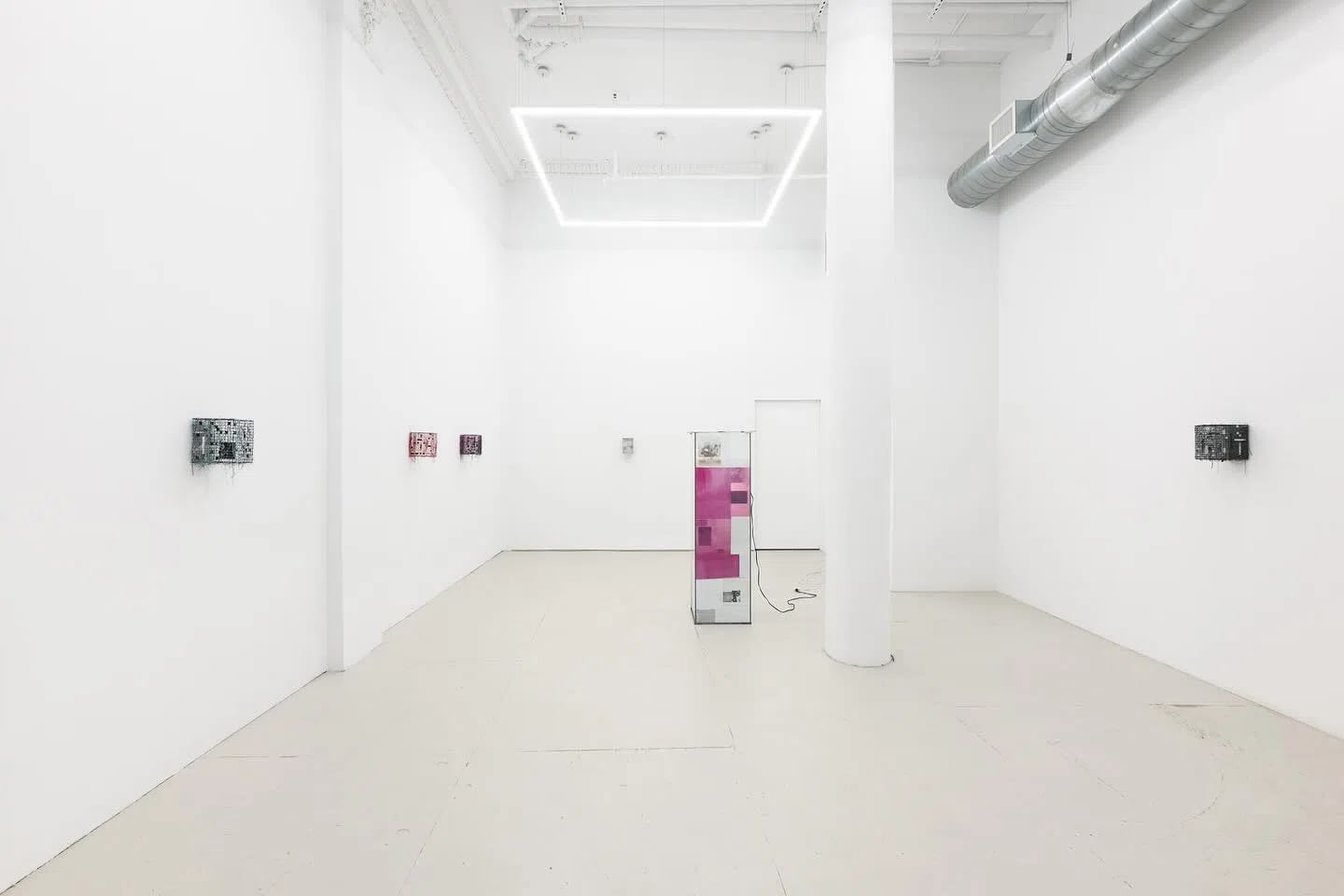
That instinct played out most visibly in the fair's curated sectors. Statements offered solo booths by emerging artists, while Kabinett featured curated installations embedded within gallery stands — formats that rewarded restraint over volume. New York's Silke Lindner showed Sylvie Hayes-Wallace's "brain cages," small wire boxes capturing the artist's mental states, the booth floor covered in tape and magazines that recreated the intimacy of the artist's studio. The effect was less booth, more private room.
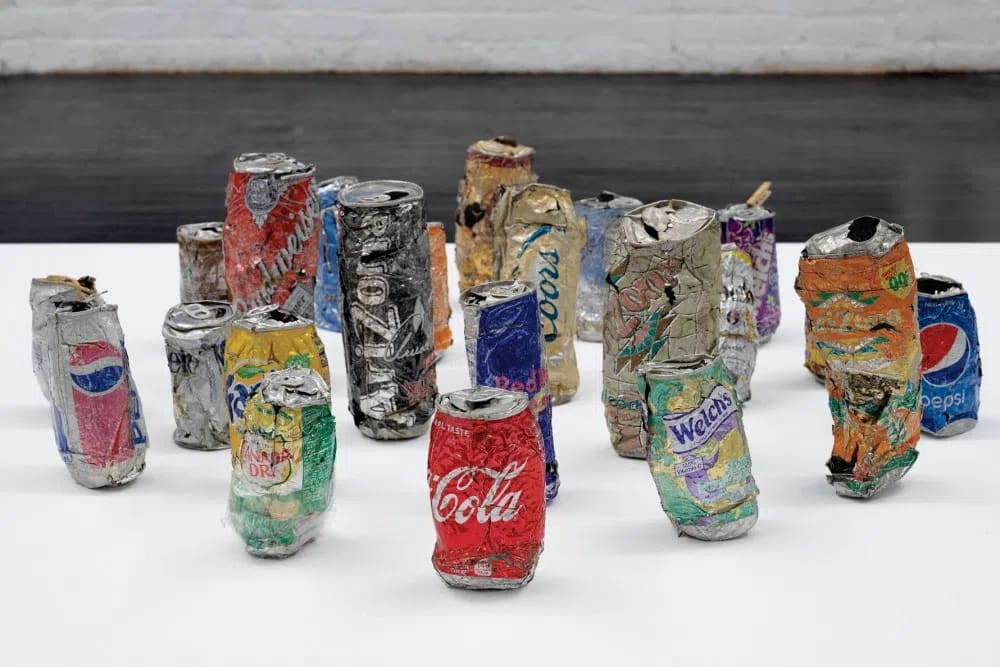
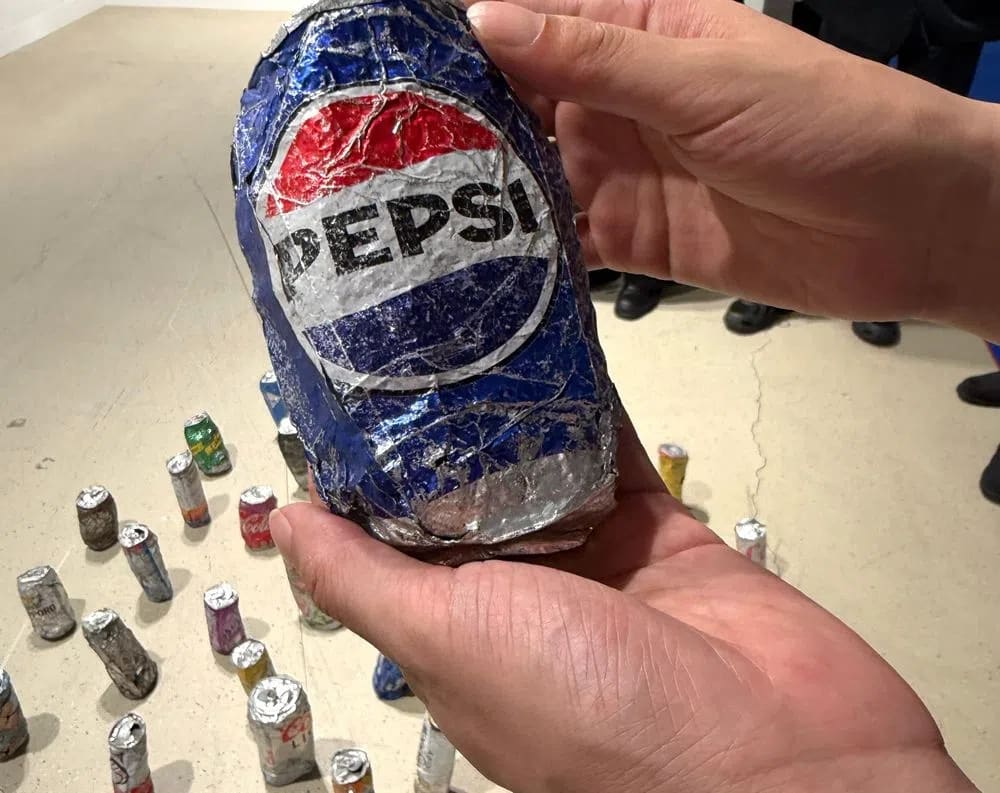
At Kai Matsumiya Fine Arts, Nobutaka Aozaki showed works including crushed soft-drink cans found in the street and "restored." All three galleries reported selling several works priced between $3,500 and over $9,000 ahead of the public opening. Modest numbers by fair standards, but a signal of what was connecting.
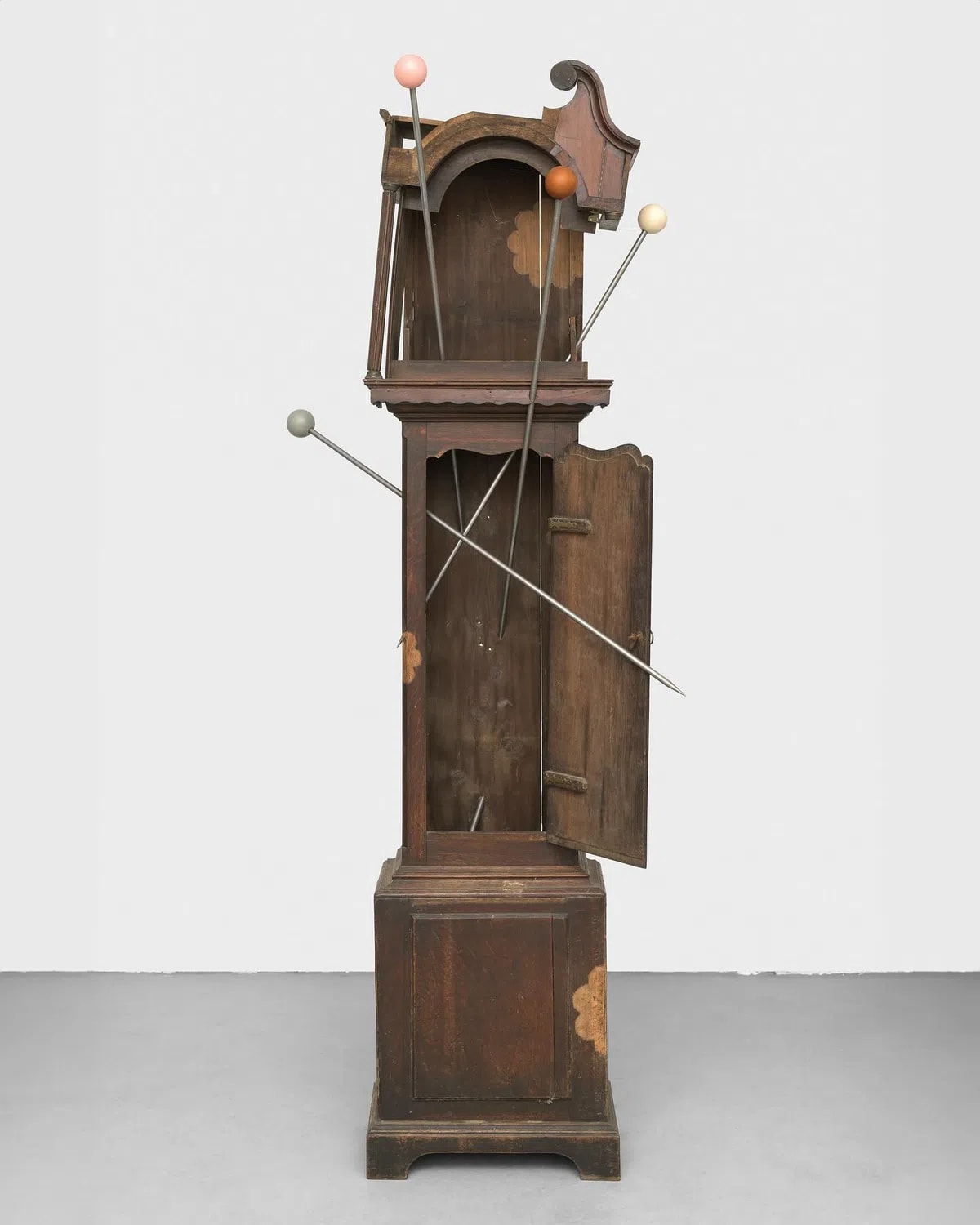
London gallery Ginny on Frederick chose to spotlight artist Alexandra Metcalf in the Statements sector with a solo presentation of sculptures reimagining pendulum clocks as psychological totems. "Every fair is a risk, of course," admitted founder Freddie Powell, "but for us, the bigger risk would be not showing up."
Not every voice at the fair was a newcomer finding its footing. Rózsa Farkas of Arcadia Missa, presenting in the main section, put it plainly: "Today, what works are either the major, established fairs or the smaller, more intimate yet meaningful ones."
Set against global conflict and shifting trade dynamics, the fair saw a noticeable dip in American buyers, while European collectors emerged as key players making more strategic acquisitions. VIP days were energetic, with mid-tier works selling briskly, even as decisions on higher-end pieces remained cautious.
In the end, the works that truly stood out at Art Basel were not thanks to spectacle, but rather due to the artists' genuine curiosity about how the manmade and the organic alter the space they inhabit. Works such as Jennifer Bolande's Museum (2025), a polished bronze reflecting its surroundings shown by Magenta Plains, implicated the art system, the fair visitors, and buyers in this instability.
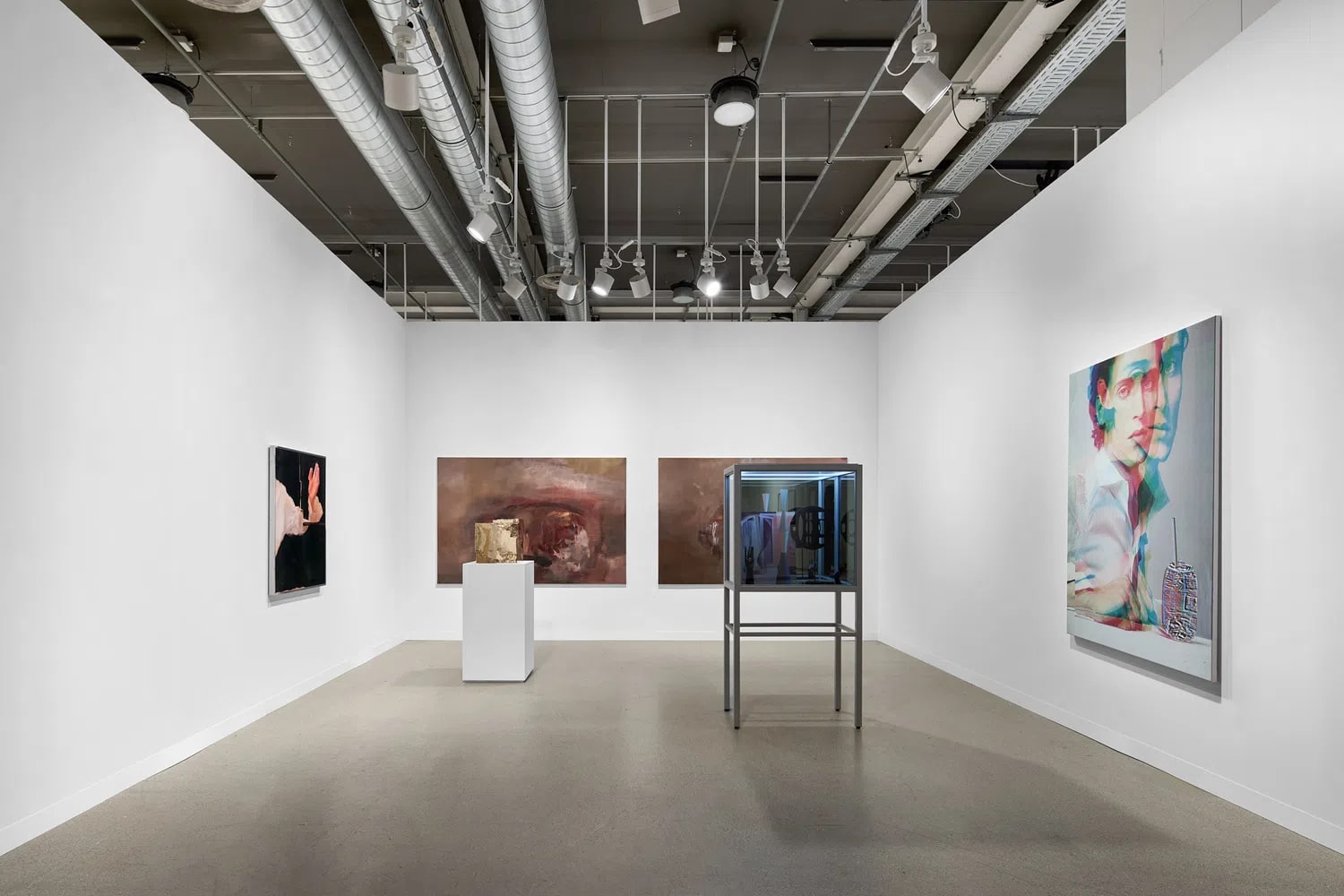
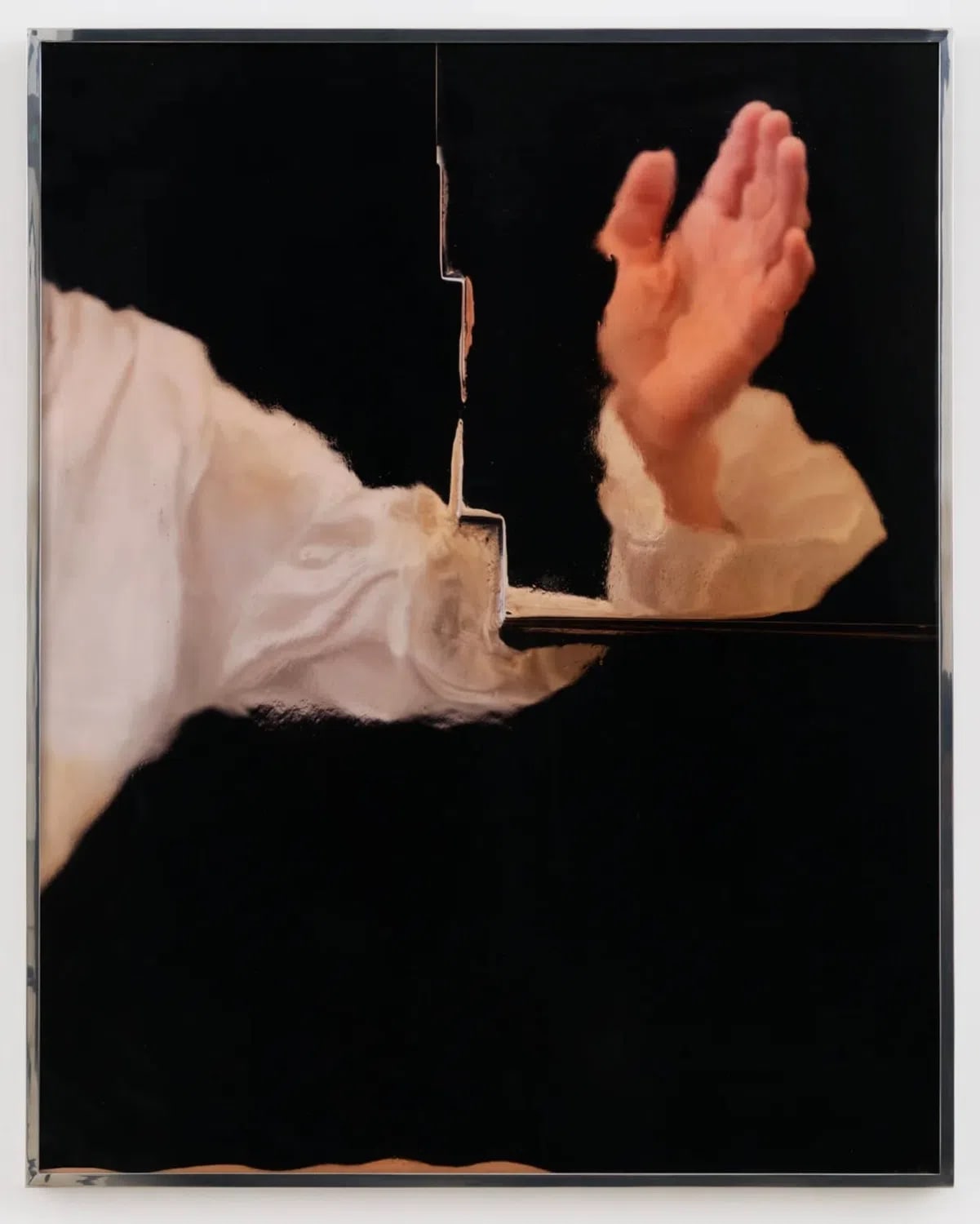
Despite the rise of online platforms, physical art fairs retained their centrality. For many galleries, they remain one of the most important places to connect with collectors. Collectors still value the opportunity to see works in person, meet artists, and experience exhibitions in a physical environment. That physicality, paired with genuine curatorial intent, appears to be what the current market is willing to reward. The galleries that understood this earliest left Basel with something the monumental booths did not: a sale and a conversation worth continuing.
Follow topics and authors from this story to see more stories like this in your personalized feed and receive updates when new work is published.